The History of the HVAC Unit
 The History of Climate-Control Equipment
As someone turns on an air conditioner during hot summer weather, they probably take the equipment for granted. There was a time when having air-conditioning in a home or business was unusual because it is a modern invention.
While furnaces have a longer history than air conditioners, many older individuals living today remember when a building was only heated with wood in a fireplace or stove.
In many parts of the world, people still use old-fashioned methods to heat buildings or learn how to use a folded fan to keep cool in hot weather.
Fortunately, several knowledgeable inventors and innovative manufacturers decided to take time to create heating, venting and air-conditioning equipment.
However, very few individuals know the history behind the invention of cooling and heating equipment used in commercial and residential properties.
Invention of Air Conditioners
The ancient Egyptians lived in a hot and dry environment that required an innovative method to cool a warm room. People would hang reeds from the top of open windows. Water trickled down the reeds to evaporate as air blew threw the windows, cooling the rooms while increasing humidity levels.
Aqueducts containing water were built inside the walls of buildings in ancient Rome to assist with cooling. In China, inventors used fan systems powered by water to cool buildings.
By the 1700s, scientists were studying the effects of chemicals such as ether and alcohol to provide cooling during the hot summer months.
When devices were invented to make ice, physicians used ice to cool hospital rooms to make patients more comfortable. In the early 1900s, Willis Carrier designed the first air-conditioning system operated by electricity.
Invention of Furnaces
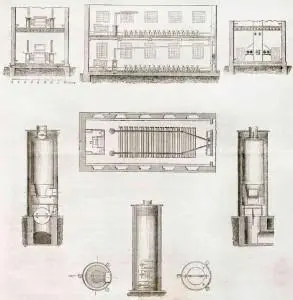 In order to stay alive in cold climates, having a way to remain warm is necessary, and burning wood or coal in a stove is necessary for that purpose.
While these methods are still used in many buildings, most buildings today are created with venting systems that permit a natural gas, oil or electric powered furnace to provide adequate climate-control.
However, the first heating systems in buildings were iron radiators fueled by steam created by boilers. These systems worked without fans by using natural convection.
Boilers were placed in cellars and basements to heat water to bring the steam into rooms. By the late 1800s, Dave Lennox developed the first furnace with a fan that was powered by burning coal.
If you live in the Boston area, and are having HVAC troubles, Call Atlantic Heating & Air at (617) 566-6990 and find out how you can get your HVAC unit back!