Understanding Air Handlers: A Homeowner's Guide

Understanding Air Handlers and When They Need Service

Managing indoor comfort involves more than just setting a thermostat and forgetting about it. While many people focus entirely on the noisy outdoor machinery sitting in the backyard, the real magic of climate control happens quietly inside the home. A major part of keeping an entire house perfectly cooled or warmed relies on a specialized indoor system designed to manage air circulation. Keeping this system running smoothly ensures that every room stays pleasant, the indoor air stays breathable, and monthly energy bills remain completely under control.

What Is an Air Handler and Its Components?

evaporator coilAn air handler is the crucial indoor unit of an air conditioning or heat pump system, serving as the lungs of a home. While the outdoor equipment handles the heavy lifting of heat exchange, this indoor air handler pulls air from the living spaces, conditions it, and distributes the refreshed air throughout the house. Without this steady movement, a home would quickly become stuffy, unevenly cooled, and uncomfortable.

To do its job effectively, the air handler unit houses several essential components working in perfect harmony. First is the evaporator coil, a network of tubing that chills the air passing over it during the hot summer months. Next is the blower, a powerful internal fan that physically pushes the newly conditioned air through the ductwork and into the living spaces. Finally, the system includes an air filter that captures dust, pet dander, and other airborne particles before they can enter the machinery or recirculate back into the household.

Key Signs That the Air Handler Needs Repair or Replacement

Property owners can avoid major headaches by paying attention to how their climate control system behaves daily. One of the most obvious indicators of trouble is the emergence of unusual noises, such as rattling, squealing, or thumping sounds coming from the utility closet, which usually point to a mechanical issue with the internal blower. Homeowners might also notice a sudden, unexplained spike in their monthly utility expenses, signaling that the system is working twice as hard to achieve the same results. 

Another red flag is water pooling around the base of the equipment, which often stems from a clogged drain line or an icy evaporator coil that has started to thaw. Lastly, if certain areas of the house feel breezy while others remain stifling, poor airflow and fluctuating temperatures indicate the system is struggling to maintain a balanced indoor environment and requires professional attention.

Why the Air Handler Needs Routine Maintenance
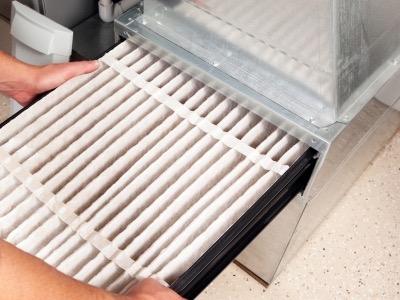
filter Scheduling regular checkups for indoor climate systems is the absolute best way to protect a major household investment. Much like a vehicle, an air handling unit requires periodic tuning to maintain peak energy efficiency and lower daily operating costs. When dust and debris accumulate on internal parts, the machinery must consume far more electricity to pull air through the system, creating unnecessary wear and tear. Dedicating time to routine care extends the equipment's overall longevity, ensures consistent home comfort, and significantly reduces the risk of an emergency breakdown on the hottest or coldest day of the year.

A massive part of this upkeep routine involves managing the system's defense barrier. Performing a timely air or AC filter replacement prevents debris from clogging the internal machinery. A clogged AC filter chokes off necessary airflow, forcing the system to overheat or freeze up entirely. Keeping a fresh air filter in place is a simple, cost-effective habit that keeps the indoor air clean, protects the blower, and ensures the entire system functions flawlessly for years to come.

About Atlantic Heating & Air Conditioning

Atlantic Heating & Air Conditioning provides customized heating, cooling, and indoor air quality solutions for homeowners and businesses. Known for 24/7 service, industry-leading expertise, and tailored solutions, the team delivers reliable system design, installation, repair, and maintenance with a strong commitment to quality workmanship, energy efficiency, and dependable customer care. Call for air handler service in Boston, MA

A Guide to Boilers

Boiler Basics to Help Keep a Home Warm and Efficient

Navigating boiler replacement options can feel overwhelming, but a clear understanding of the basics makes decisions easier. This guide to boilers explains how a boiler heating system works, key advantages that support efficiency and comfort, common signs that point to boiler repair, and practical steps for boiler maintenance and long‑term planning, including when boiler installation or boiler replacement makes sense. The overview below provides fundamentals, warning signs, and upkeep tips for steady, reliable heat.

What Is a Boiler?

A boiler is a closed vessel that heats water or produces steam to distribute warmth through radiators, baseboards, or radiant floors. Unlike forced‑air systems that push heated air through ductwork, a boiler heating system relies on hydronic circulation, which often produces even temperatures and a quiet, draft‑free environment. Because water carries heat efficiently, rooms can feel uniformly warm with fewer swings.

Boilers pair well with zoning strategies, letting different areas receive tailored heat based on use. Many systems can operate on natural gas, propane, oil, or electricity, providing flexibility when fuel availability or pricing changes. Hydronic heat also limits recirculating dust and allergens through ducts, which can enhance comfort for sensitive occupants.

Proper boiler installation is central to performance and safety. Correct sizing, venting, piping layout, and control setup all influence efficiency, responsiveness, and longevity. When an existing boiler struggles to keep up, runs noisily, or shows frequent error codes, an evaluation can determine whether targeted boiler repair will restore reliability or whether a planned boiler replacement will better meet comfort and efficiency goals for the long term.

Signs That Boiler Repair Is Needed

sounds Heating systems usually signal trouble before a major failure. Pooled water around the boiler or visible moisture at fittings points to leaks that require prompt attention, whether from worn seals, valves, or corrosion. Leaving moisture unaddressed risks damage to components and surrounding structures.

Performance changes are another clue. Radiators that take noticeably longer to warm, areas that never reach the set temperature, or heat that fades quickly after a cycle can indicate circulation problems, trapped air, or control issues. Unusual noises—banging, whistling, or gurgling—often align with limescale buildup, air in the lines, or pump wear. Repeated lockouts, rising energy use without other explanations, or burner irregularities on gas units also suggest that boiler repair is due.

If the same issues recur despite prior service, a broader assessment of condition, age, and parts availability helps determine the next step. In some cases, upgrading to a new unit via boiler replacement reduces ongoing costs, improves efficiency, and restores dependable comfort. Regardless of age, consistent boiler maintenance lowers the likelihood of emergency calls and preserves components that still have useful service life.

How to Keep a Boiler Efficient

boiler Sustaining efficiency begins with routine boiler maintenance. A comprehensive service typically includes cleaning the burner and heat‑transfer surfaces, inspecting the heat exchanger, verifying safe venting, checking electrical connections, and testing pressure and temperature controls. Attention to circulator pumps, zone valves, expansion tanks, and air separators helps maintain proper flow and stable system pressure, both of which support efficient operation.

Simple habits between visits also help. Bleeding radiators to remove trapped air promotes even heating; monitoring system pressure can catch small problems before they grow. Where water quality is a concern, corrosion and scale control protect internal passages and maintain heat transfer. Insulating accessible hot‑water piping and keeping radiators or baseboards free from obstructions further reduce heat loss and improve comfort distribution.

Planning for the future is part of maintaining efficiency. When repair needs become frequent or major components fail, comparing the cost of continued fixes against a modern, properly sized boiler installation can be prudent. A well‑chosen upgrade with appropriate controls, paired with ongoing boiler maintenance, supports consistent performance, better efficiency, and reliable comfort across many winters.

About Atlantic Heating & Air Conditioning

Atlantic Heating & Air Conditioning is a trusted HVAC company providing expert service to the communities of Boston and the neihboring areas. They offer tailored solutions and peace of mind for all your HVAC needs. Call them today to schedule boiler repair in Boston, MA.

Refrigerant Made Easy: A Home Cooling Guide

Refrigerant and Signs of Refrigerant Issues

High utility bills and inefficient cooling often result from problems related to refrigerant. Trenchless methods may fix pipes underground, but for air conditioning, refrigerant keeps everything running efficiently. Proper refrigerant management improves system reliability and reduces operating costs. Understanding how refrigerant works and how to identify issues is essential for long-term performance.

How Refrigerant Works in an Air Conditioning System

Refrigerant serves as the heat-transfer agent that enables effective air conditioning. This chemical compound absorbs heat from indoor air through the evaporator coil and releases it outdoors via the condenser. Without refrigerant, air conditioning systems cannot cool air or regulate indoor temperatures effectively.

The refrigerant cycle begins as a liquid inside the evaporator coil, where it absorbs heat and becomes a gas. This gas travels to the outdoor unit, releases heat, and returns to liquid form. A compressor and expansion valve regulate temperature and pressure throughout the cycle. According to the Air Conditioning Contractors of America, modern systems can remove up to 36,000 BTUs of heat per hour with properly functioning refrigerant.

Signs of a Refrigerant Leak or Overcharged Refrigerant

Woman sitting on a couch in a modern kitchen, using a blue fan for cooling while working on a laptop, illustrating the importance of effective refrigerant in home cooling systems.Performance issues often indicate refrigerant imbalance. Warm air from vents, ice buildup on the evaporator coil, and a system running continuously without reaching set temperatures all suggest insufficient refrigerant. These symptoms reduce comfort and increase strain on system components.
Unusual sounds near the outdoor unit, such as hissing or bubbling, often signal escaping refrigerant from leaks in the lines. Rising energy bills without increased usage may also point to inefficient cooling due to low refrigerant levels. The Environmental Protection Agency reports that refrigerant leaks account for roughly 30% of efficiency losses in residential systems. Timely diagnosis prevents major damage and restores system performance.

Overcharging Creates Identical Warning Signs

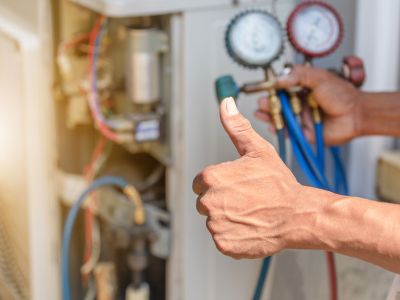
HVAC technician using gauges to assess refrigerant levels in a cooling system, signaling thumbs up for proper evaluation and maintenance.Too much refrigerant in a system causes problems similar to undercharging. Reduced cooling, ice on coils, and strange noises can occur in both situations. The symptoms look the same, but the mechanical causes differ.

Overcharging makes the compressor work harder, while undercharging limits heat absorption. Both situations stress the system parts and lower efficiency. Specialized gauges allow HVAC technicians to measure refrigerant levels accurately and identify the exact cause. According to EPA data, improper refrigerant handling is responsible for nearly a quarter of early AC system failures.

Accurate assessment prevents unnecessary damage. Adding refrigerant without professional evaluation risks overcharging and permanent compressor failure. Technicians ensure the correct balance using precise tools and measurements. Careful diagnostics avoid costly repairs and extend the life of the cooling system.

How to Avoid Refrigerant Issues

Accurate refrigerant levels maintain system efficiency and prevent breakdowns. HVAC professionals use manifold gauges and electronic scales to achieve the correct charge. DIY refills often lead to overcharging, which reduces cooling and damages components.

Professionals determine the proper charge based on system specifications and outdoor conditions. Studies show that overcharged systems may lose 15–25% efficiency. Certified technicians also follow EPA regulations on refrigerant recovery and disposal. This compliance protects both the equipment and the environment.

Regular maintenance further reduces the risk of refrigerant issues. Systematic inspection identifies early signs of leaks or damage before performance suffers. According to the Air Conditioning Contractors of America, scheduled maintenance prevents up to 85% of refrigerant-related failures. Cleaning coils, tightening fittings, and replacing worn seals helps preserve refrigerant levels and avoid emergency repairs.

Well-maintained systems operate more efficiently and require fewer refrigerant adjustments over time. Clean components face less corrosion and wear. Technicians detect problems that might go unnoticed during casual inspections. This proactive care enhances system longevity and maintains comfort even in peak summer conditions.

About Atlantic Heating & Air Conditioning

Atlantic Heating & Air Conditioning is a local HVAC expert serving Boston, MA, and the surrounding areas. They offer 24/7 service, tailored solutions, and peace of mind. Call them for air conditioning repair and maintenance in Boston, MA.

Easy Guide to UV Air Sanitizers

Why Get UV Air Sanitizer Installation?

UV air sanitizers offer a powerful solution for achieving cleaner, healthier indoor air. Concerns about airborne germs and pollutants are common, particularly in households where wellness is a top priority. These devices work with modern HVAC systems to create safer, more comfortable environments using advanced ultraviolet technology and filtration methods. By integrating UV sanitizers, indoor spaces become better protected from harmful contaminants.

What Is a UV Air Sanitizer?

A UV air sanitizer integrates ultraviolet light into the ductwork of existing HVAC systems, turning them into continuous air purification systems. Installed inside the air handler or ductwork, these devices emit UV-C light at 254 nanometers, effectively neutralizing airborne microorganisms. As air circulates through the system, the UV-C light penetrates and destroys the DNA of bacteria, viruses, and mold spores, rendering them inactive.

This technology provides whole-home air treatment rather than limiting purification to individual rooms. By installing the UV lamp near the evaporator coil, the system maximizes exposure to microorganisms where they thrive most. The result is a consistent, silent reduction of airborne biological contaminants throughout the living space.

Benefits of Installing a UV Air Sanitizer

Hand depositing cash into a pink piggy bank on a table with banknotes visible, symbolizing savings and financial management.A UV air sanitizer enhances indoor air quality by neutralizing harmful microorganisms directly within the HVAC system. This process ensures that air moving through the ductwork is treated before it reaches living spaces. Many common allergens, such as dust mites and pet dander, are also reduced, providing relief for individuals with respiratory conditions.
In addition to health benefits, these systems improve HVAC performance by eliminating microbial buildup on key components. Clean evaporator coils enable better airflow and reduce strain on the system, leading to more efficient heating and cooling. The use of UV technology also reduces the frequency of filter replacements and lowers overall energy consumption.

Signs a UV Air Sanitizer Is Needed

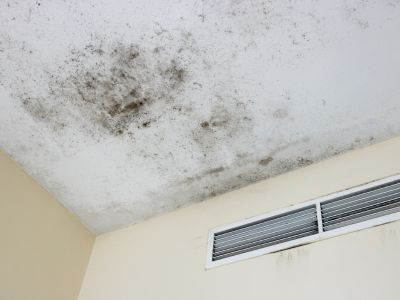
Ceiling with mold and discoloration, indicating moisture issues and potential indoor air quality problems related to HVAC systems.Persistent indoor air quality issues may indicate the need for UV air sanitization. Frequent respiratory symptoms, including chronic allergies or repeated colds, often signal the presence of airborne pathogens circulating through the home. These problems can worsen without proper air treatment, especially in households with vulnerable individuals.

Mold spores contribute to unpleasant odors and health concerns, making UV sanitizers particularly effective in moisture-prone environments. While UV systems neutralize airborne threats, addressing humidity and airflow problems is also necessary for comprehensive indoor air quality improvement. When used alongside ventilation strategies and regular HVAC maintenance, UV air sanitizers support cleaner, healthier living conditions.

Call Atlantic Heating & Air Conditioning

Atlantic Heating & Air Conditioning is a trusted HVAC company serving Brookline, MA, and surrounding areas. They offer 24/7 service, tailored solutions, and peace of mind. Call them for UV air sanitizer system installation in Brookline, MA.

Heat Pumps: An Essential Guide

Mini split condenser

Heat Pump 101

With cooler temperatures back on the radar and most homeowners beginning to dust off their heaters as sweater weather sets in, it makes sense to spotlight how most homes heat their spaces. While most houses still rely on conventional furnaces powered by gas or electricity, a new type of heater is quickly becoming popular among those looking for better energy mileage and more bang for their buck, and this is the heat pump.

Understanding How a Heat Pump Works

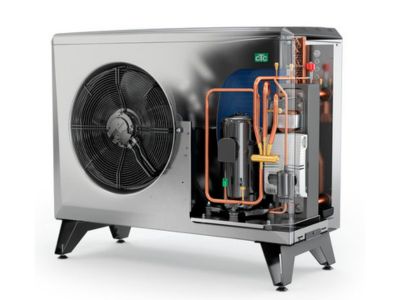
Heat pump unit with visible internal components, including compressor, refrigerant lines, and fan, illustrating energy-efficient heating and cooling technology for homes.A heat pump is a device that moves heat from one place to another. Based on the principle that heat always moves toward cold, the heat pump works by absorbing available heat from the air, ground, or water, and moving it where it is cold, using a compressor, refrigerant, and fan as its main components. 

Because heat pumps work on the principle of heat transfer, they can be used for heating and cooling. To heat a home, the heat pump uses available heat from the exterior and pumps that heat back into the home. Conversely, the same system acts like a conventional air conditioner by absorbing heat from the indoors and transferring it to the outdoors.

Benefits of a Heat Pump at Home

Heat pump benefits are attractive to most people and advantageous to people living in milder climates who don’t have to deal with extreme winters. For one, heat pump installation is easier since it doesn’t require putting in two different systems for heating and cooling. Another advantage to installing a heat pump is its ability to reduce electricity costs associated with heating by as much as 50% compared to electric or gas furnaces. This translates to about $300 to $950 annually saved on energy and improved efficiency.

Aside from this, heat pumps are also generally safer than gas systems. While installing at an average cost of $14,000 is more expensive, rebates are available to offset this initial expense.

Is There a Need for Heat Pump Repair?

Couple reviewing documents and bills at a kitchen table with a laptop, reflecting on heat pump installation costs and energy savings.Most heat pump systems last well over a decade, with an average of about 15 years. Before this amount of time, most systems would benefit from repairs and regular maintenance unless the repair cost is over 50% of the cost of replacing the device, in which case it would be more cost-effective to buy a new device instead of fixing it. Otherwise, homeowners should take the following situations as signs that their heat pump needs repair:

  • Unequal heating or cooling - inconsistent heating or cooling or the presence of hot and cold spots inside the house is a sign there is a problem with the heat pump.
  • High energy bill - devices that are inefficient or aren’t working properly tend to drive up the electricity bill.
  • Unusual noises - noises that do not sound like they are part of the regular buzz and hum of machinery at work or are louder than usual could indicate something wrong with the heat pump system.
  • Humidity levels outside the ideal range - humidity levels that are either higher than 50% or lower than 30% aren’t ideal and can cause plenty of discomfort. If this is the case, and humidifiers don’t help, then it might be time to get the heat pump checked.

About Atlantic Heating & Air Conditioning

Atlantic Heating & Air Conditioning is one of the most trusted HVAC service providers in the Boston area. With over 60 years of reliable, quality service, Atlantic Heating & Air Conditioning is an industry leader in HVAC solutions that not only offer on-time, round-the-clock service but also give home and business owners the peace of mind of knowing that whatever their HVAC issues are, Atlantic will be able to provide tailored and effective results. Call them today for HVAC service in Boston, MA.