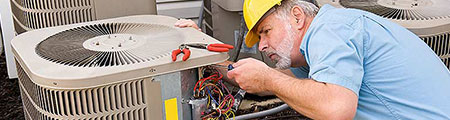
Heat Pump 101
With cooler temperatures back on the radar and most homeowners beginning to dust off their heaters as sweater weather sets in, it makes sense to spotlight how most homes heat their spaces. While most houses still rely on conventional furnaces powered by gas or electricity, a new type of heater is quickly becoming popular among those looking for better energy mileage and more bang for their buck, and this is the heat pump.
Understanding How a Heat Pump Works
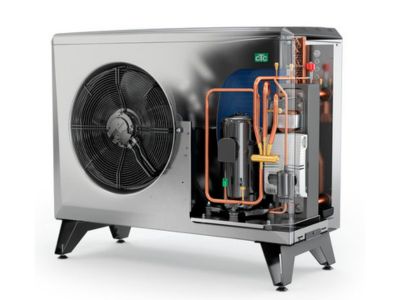 A heat pump is a device that moves heat from one place to another. Based on the principle that heat always moves toward cold, the heat pump works by absorbing available heat from the air, ground, or water, and moving it where it is cold, using a compressor, refrigerant, and fan as its main components.
Because heat pumps work on the principle of heat transfer, they can be used for heating and cooling. To heat a home, the heat pump uses available heat from the exterior and pumps that heat back into the home. Conversely, the same system acts like a conventional air conditioner by absorbing heat from the indoors and transferring it to the outdoors.
Benefits of a Heat Pump at Home
Heat pump benefits are attractive to most people and advantageous to people living in milder climates who don’t have to deal with extreme winters. For one, heat pump installation is easier since it doesn’t require putting in two different systems for heating and cooling. Another advantage to installing a heat pump is its ability to reduce electricity costs associated with heating by as much as 50% compared to electric or gas furnaces. This translates to about $300 to $950 annually saved on energy and improved efficiency.
Aside from this, heat pumps are also generally safer than gas systems. While installing at an average cost of $14,000 is more expensive, rebates are available to offset this initial expense.
Is There a Need for Heat Pump Repair?
 Most heat pump systems last well over a decade, with an average of about 15 years. Before this amount of time, most systems would benefit from repairs and regular maintenance unless the repair cost is over 50% of the cost of replacing the device, in which case it would be more cost-effective to buy a new device instead of fixing it. Otherwise, homeowners should take the following situations as signs that their heat pump needs repair:
- Unequal heating or cooling - inconsistent heating or cooling or the presence of hot and cold spots inside the house is a sign there is a problem with the heat pump.
- High energy bill - devices that are inefficient or aren’t working properly tend to drive up the electricity bill.
- Unusual noises - noises that do not sound like they are part of the regular buzz and hum of machinery at work or are louder than usual could indicate something wrong with the heat pump system.
- Humidity levels outside the ideal range - humidity levels that are either higher than 50% or lower than 30% aren’t ideal and can cause plenty of discomfort. If this is the case, and humidifiers don’t help, then it might be time to get the heat pump checked.
About Atlantic Heating & Air Conditioning
Atlantic Heating & Air Conditioning is one of the most trusted HVAC service providers in the Boston area. With over 60 years of reliable, quality service, Atlantic Heating & Air Conditioning is an industry leader in HVAC solutions that not only offer on-time, round-the-clock service but also give home and business owners the peace of mind of knowing that whatever their HVAC issues are, Atlantic will be able to provide tailored and effective results. Call them today for HVAC service in Boston, MA.
)