Boiler Basics to Help Keep a Home Warm and Efficient
Navigating boiler replacement options can feel overwhelming, but a clear understanding of the basics makes decisions easier. This guide to boilers explains how a boiler heating system works, key advantages that support efficiency and comfort, common signs that point to boiler repair, and practical steps for boiler maintenance and long‑term planning, including when boiler installation or boiler replacement makes sense. The overview below provides fundamentals, warning signs, and upkeep tips for steady, reliable heat.
What Is a Boiler?
A boiler is a closed vessel that heats water or produces steam to distribute warmth through radiators, baseboards, or radiant floors. Unlike forced‑air systems that push heated air through ductwork, a boiler heating system relies on hydronic circulation, which often produces even temperatures and a quiet, draft‑free environment. Because water carries heat efficiently, rooms can feel uniformly warm with fewer swings.
Boilers pair well with zoning strategies, letting different areas receive tailored heat based on use. Many systems can operate on natural gas, propane, oil, or electricity, providing flexibility when fuel availability or pricing changes. Hydronic heat also limits recirculating dust and allergens through ducts, which can enhance comfort for sensitive occupants.
Proper boiler installation is central to performance and safety. Correct sizing, venting, piping layout, and control setup all influence efficiency, responsiveness, and longevity. When an existing boiler struggles to keep up, runs noisily, or shows frequent error codes, an evaluation can determine whether targeted boiler repair will restore reliability or whether a planned boiler replacement will better meet comfort and efficiency goals for the long term.
Signs That Boiler Repair Is Needed
 Heating systems usually signal trouble before a major failure. Pooled water around the boiler or visible moisture at fittings points to leaks that require prompt attention, whether from worn seals, valves, or corrosion. Leaving moisture unaddressed risks damage to components and surrounding structures.
Performance changes are another clue. Radiators that take noticeably longer to warm, areas that never reach the set temperature, or heat that fades quickly after a cycle can indicate circulation problems, trapped air, or control issues. Unusual noises—banging, whistling, or gurgling—often align with limescale buildup, air in the lines, or pump wear. Repeated lockouts, rising energy use without other explanations, or burner irregularities on gas units also suggest that boiler repair is due.
If the same issues recur despite prior service, a broader assessment of condition, age, and parts availability helps determine the next step. In some cases, upgrading to a new unit via boiler replacement reduces ongoing costs, improves efficiency, and restores dependable comfort. Regardless of age, consistent boiler maintenance lowers the likelihood of emergency calls and preserves components that still have useful service life.
How to Keep a Boiler Efficient
 Sustaining efficiency begins with routine boiler maintenance. A comprehensive service typically includes cleaning the burner and heat‑transfer surfaces, inspecting the heat exchanger, verifying safe venting, checking electrical connections, and testing pressure and temperature controls. Attention to circulator pumps, zone valves, expansion tanks, and air separators helps maintain proper flow and stable system pressure, both of which support efficient operation.
Simple habits between visits also help. Bleeding radiators to remove trapped air promotes even heating; monitoring system pressure can catch small problems before they grow. Where water quality is a concern, corrosion and scale control protect internal passages and maintain heat transfer. Insulating accessible hot‑water piping and keeping radiators or baseboards free from obstructions further reduce heat loss and improve comfort distribution.
Planning for the future is part of maintaining efficiency. When repair needs become frequent or major components fail, comparing the cost of continued fixes against a modern, properly sized boiler installation can be prudent. A well‑chosen upgrade with appropriate controls, paired with ongoing boiler maintenance, supports consistent performance, better efficiency, and reliable comfort across many winters.
About Atlantic Heating & Air Conditioning
Atlantic Heating & Air Conditioning is a trusted HVAC company providing expert service to the communities of Boston and the neihboring areas. They offer tailored solutions and peace of mind for all your HVAC needs. Call them today to schedule boiler repair in Boston, MA.
)
Distribution Links +
- https://go.chinesewire.com
- https://smb.magnoliastatelive.com
- https://smb.orangeleader.com
- https://smb.panews.com
- https://smb.picayuneitem.com
- https://smb.alabamanow.com
- https://smb.andalusiastarnews.com
- https://smb.lobservateur.com
- https://smb.americustimesrecorder.com
- https://smb.atmoreadvance.com
- https://smb.austindailyherald.com
- https://smb.dailyleader.com
- https://smb.oxfordeagle.com
- https://smb.claiborneprogress.net
- https://smb.clantonadvertiser.com
- https://smb.elizabethton.com
- https://smb.greenvilleadvocate.com
- https://smb.clemmonscourier.net
- https://smb.gatescountyindex.com
- https://smb.harlandaily.com
- https://smb.ourdavie.com
- https://smb.state-journal.com
- https://smb.thecharlottegazette.com
- https://smb.thecoastlandtimes.com
- https://smb.theinteriorjournal.com
- https://smb.tryondailybulletin.com
- https://smb.farmvilleherald.com
- https://smb.salisburypost.com
- https://smb.shelbycountyreporter.com
- https://smb.smithfieldtimes.com
- https://smb.suffolknewsherald.com
- https://smb.thewashingtondailynews.com
- https://smb.thewetumpkaherald.com
- https://smb.cordeledispatch.com
- https://smb.roanoke-chowannewsherald.com
- https://smb.tallasseetribune.com
- https://smb.thepostsearchlight.com
- https://smb.lowndessignal.com
- https://smb.prentissheadlight.com
- https://pr.thembnews.com
- https://pr.boreal.org
- https://pr.timesofsandiego.com
- https://pr.chestercounty.com
- https://pr.wncbusiness.com
- https://pr.millismedwaynews.com
- https://pr.norwoodtownnews.com
- https://pr.hopedaletownnews.com
- https://pr.franklintownnews.com
- https://pr.naticktownnews.com
- https://pr.greenvillebusinessmag.com
- https://pr.herrimanjournal.com
- https://pr.midvalejournal.com
- https://pr.draperjournal.com
- central.newschannelnebraska.com
- metro.newschannelnebraska.com
- southeast.newschannelnebraska.com
- northeast.newschannelnebraska.com
- rivercountry.newschannelnebraska.com
- lifestyle.mykmlk.com
- lifestyle.3wzfm.com
- lifestyle.southernsportstoday.com
- lifestyle.thepodcastpark.com
- lifestyle.680thefan.com
- lifestyle.xtra1063.com
- lifestyle.953hlf.com
- lifestyle.rewind1019.com
- lifestyle.us983.com
- lifestyle.967wshv.com
- lifestyle.1045thedan.com
- lifestyle.kbew98country.com
- lifestyle.kccrradio.com
- lifestyle.capitalcityrock.com
- lifestyle.current943.com
- lifestyle.thedam.fm
- lifestyle.hotcountry931.com
- lifestyle.pierrecountry.com
- lifestyle.kotaradio.com
- lifestyle.q923radio.com
- lifestyle.all80sz1063.com
- lifestyle.myeaglecountry.com
- augusta.newsnetmedia.com
- austin.newsnetmedia.com
- boise.newsnetmedia.com
- buffalo.newsnetmedia.com
- columbia.newsnetmedia.com
- detroit.newsnetmedia.com
- fresno.newsnetmedia.com
- jacksonville.newsnetmedia.com
- losangeles.newsnetmedia.com
- monterey.newsnetmedia.com
- myrtlebeach.newsnetmedia.com
- nashville.newsnetmedia.com
- norfolk.newsnetmedia.com
- odessa.newsnetmedia.com
- quincy.newsnetmedia.com
- sacramento.newsnetmedia.com
- saltlakecity.newsnetmedia.com
- sanantonio.newsnetmedia.com
- santabarbara.newsnetmedia.com
- siouxfalls.newsnetmedia.com
- waco.newsnetmedia.com
- sports.newsnetmedia.com
- lifestyle.bryancountymagazine.com

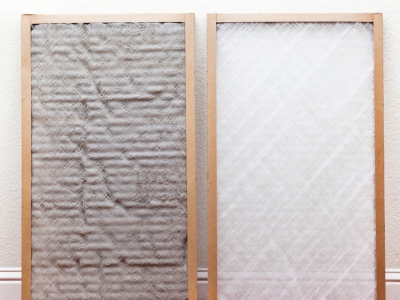 Clogged or dirty air filters restrict airflow, forcing the air conditioner to work harder than necessary. Restricted airflow reduces cooling efficiency and causes higher electricity usage. Regular air filter replacement improves energy efficiency and maintains consistent cooling performance.
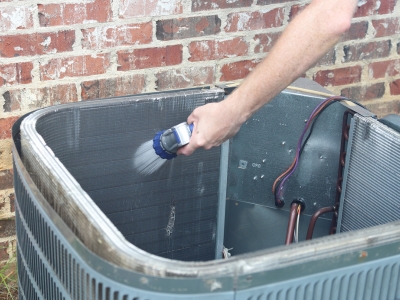 AC coils covered in dirt or debris reduce heat transfer and cooling ability. Poor heat exchange causes longer run times, leading to increased electricity usage. Coil cleaning helps restore proper cooling and reduces stress on the system.
)
 A
A  A
A )

 Performance issues often indicate refrigerant imbalance. Warm air from vents, ice buildup on the evaporator coil, and a system running continuously without reaching set temperatures all suggest insufficient refrigerant. These symptoms reduce comfort and increase strain on system components.
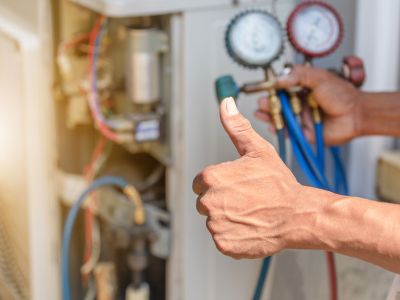 Too much refrigerant in a system causes problems similar to undercharging. Reduced cooling, ice on coils, and strange noises can occur in both situations. The symptoms look the same, but the mechanical causes differ.
)

 A UV air sanitizer enhances indoor air quality by neutralizing harmful microorganisms directly within the HVAC system. This process ensures that air moving through the ductwork is treated before it reaches living spaces. Many common allergens, such as dust mites and pet dander, are also reduced, providing relief for individuals with respiratory conditions.
 Persistent
 )