Tips for Improving Indoor Air Quality
People who suffer from allergies, asthma, or other respiratory illnesses appreciate air quality better than anyone. Air quality affects the ability to draw oxygen into the body and has a big impact on overall health.
For homeowners, it’s important to understand indoor air quality, how it can be improved, and the tools that are used to do so.
The Importance of Indoor Air Quality

Indoor air quality is a measurement of the quality of the air inside a building. This measurement is achieved by taking samples of the air, collecting samples from the surfaces inside the building, computer modeling of airflow, and monitoring human exposure to pollutants.
The outdoor Air Quality Index measures levels of chemicals, pollutants, and ozone in the atmosphere. Indoor air quality measurements similarly calculate the concentration of pollutants in the air. A high level of pollution negatively affects human health, causing itchy eyes, irritated throat, sneezing, wheezing, headaches, dizziness, and fatigue. Long-term exposure to certain pollutants can even lead to respiratory illness, cancer, or heart disease.
Poor indoor air quality is often a result of pollutants inside the house, such as pet dander, fresh paint, new carpeting, fuel-burning appliances, cleaning products, building materials, and tobacco products. Pollution, pesticides, and gases from outdoor air can also impact indoor air quality. Humidity and poor ventilation inside the home contribute to low air quality, as well. All this can impact health and sleep, lowering the quality of both.
How To Improve Indoor Air Quality

Indoor air quality can be improved by taking the following actions:
- Replace the air filter: A new, high-quality air filter is more effective at containing particulates.
- Clean the air ducts:Prevent dust, dander, and debris from blowing around the home by having the air ducts professionally cleaned.
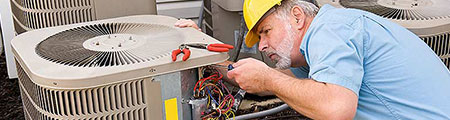
- Get an HVAC tune-up:A certified HVAC technician can thoroughly clean the furnace, heater, and/or air conditioner, which will eliminate pollutants from the system.
- Increase ventilation:Adding additional ventilation will create greater airflow, sending harmful pollutants outside and refreshing indoor air.
- Install a dehumidifier:Moist air is more difficult to breathe and retains more pollutants; a dehumidifier will make the air cleaner and easier to breathe.
- Seal openings and cracks:Look for drafts around doors and windows and seal the cracks with insulation, weatherstripping, or silicone caulk to keep outdoor air out.
- Install an air purifier or sanitizer:Clean the air with a whole-home purifier or sanitizer, or opt for smaller units in each room.
About Air Purifiers and UV Air Sanitizers
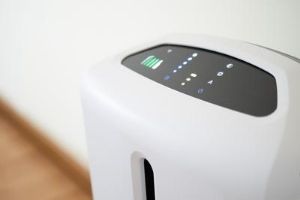
Installing an air purifier or UV air sanitizer in the home is an ideal way to improve overall indoor air quality. Using both together can better protect a family’s health.
A typical air purifier draws air through a filter to remove harmful pollutants. They are available in many sizes, styles, and prices. Some offer additional heating and cooling, or a built-in humidifier or dehumidifier. Newer models can connect to their smartphone to provide an accurate, timely indoor air quality report.
UV air sanitizers do not have any effect on dust or particle pollution, but they are highly effective at eliminating organic pollutants such as mold, mildew, bacteria, and viruses. UV air sanitizers use short-wave ultraviolet light to kill microbes as the air passes through. They often include a HEPA air filter for additional cleaning capabilities.
An experienced HVAC technician can help homeowners decide whether to use an air purifier or UV air sanitizer, or both, and which style will be best for the needs of their family and home.
About Atlantic Heating & Air Conditioning
Atlantic Heating & Air Conditioning has been serving Boston and the surrounding areas since 1962. The team at Atlantic Heating & Air Conditioning will assess their customer’s needs, work with them to develop a plan to fit their budget, and make sure they are 100% satisfied with the results. Get in contact with them today to learn more about the best indoor air quality services in Boston.
)
)
)
)