How to Know When Air Conditioner Repair May Be Needed
As temperatures rise, a reliable air conditioning system is crucial for comfort at home or work. Yet, like all machinery, air conditioners can experience wear and tear. Recognizing early signs of trouble is essential to avoid discomfort and costly repairs. This article highlights key indicators that an AC system may need repair. By identifying issues such as unusual noises, weak airflow, or unexpected spikes in energy bills, individuals can seek professional assistance promptly, ensuring the unit's efficiency and longevity.
Loud Sounds
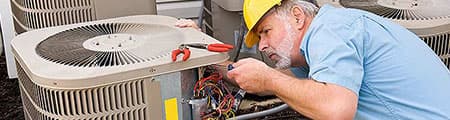
 Unusual sounds emanating from an air conditioning unit are often the first signs that something is amiss. Understanding what these noises mean can help pinpoint the issue your system might be facing, allowing for timely and appropriate action.
- Banging or Clanking: If your AC emits loud banging or clanking noises, it could indicate a loose or broken part within the compressor. These sounds might also suggest that the blower is unbalanced or that a component has come loose from its mount, necessitating immediate inspection to prevent further damage.
- Buzzing: A persistent buzzing noise can point to several potential issues, such as loose parts, debris in the outdoor condenser unit, or electrical faults. Buzzing can also indicate a problem with the fan motor or compressor, which requires professional attention.
- Squealing or Screeching: Squealing sounds often result from fan or blower motor issues. It could indicate that the motor bearings are worn out or the fan is malfunctioning. Additionally, screeching sounds could be connected to a slipping or misaligned belt that requires adjustment or replacement.
- Hissing: A hissing sound might alert you to a refrigerant leak, which can compromise the efficiency of your AC system and pose environmental and health risks. Hissing can also signify an internal valve leak or significant pressure inside the compressor, making it essential to address the situation immediately.
- Clicking: While some clicking is normal when the AC cycles on and off, constant or loud clicking might indicate an electrical issue or a failing thermostat. When heard throughout the entire cooling cycle, it's a good idea to have a professional examine the system.
If any of these sounds persist, seeking expert advice is crucial to ensure the air conditioning system's continued performance and safety.
High Energy Bills
 Rising energy bills can signal that your air conditioning system isn't running efficiently. This inefficiency could be due to various issues, necessitating repairs, maintenance, or replacement.
Common causes include neglected maintenance, where dirt and debris clog filters and vents, forcing the unit to work harder. Regular cleaning and upkeep can restore efficiency and reduce costs.
Mechanical issues, such as a malfunctioning thermostat or failing components like the compressor, also increase energy usage. Repairs or part replacements can often solve these problems.
For older systems, age can be a factor. Older units typically require more energy and are prone to breakdowns, making replacement with a newer, more efficient model a cost-effective solution over time.
Consulting an HVAC professional can determine the best approach—whether it's repair, maintenance, or upgrading to a newer unit—to help lower energy bills, improve comfort, and reduce environmental impact.
Uneven Cooling or Airflow Problems
Uneven cooling or poor airflow within a home can be a clear indication that something is amiss with the air conditioning system. When certain rooms cool quickly while others remain warm, or when there is a noticeable lack of airflow, it often points to underlying issues that need attention.
Several factors may cause these problems. A common issue is blocked or dirty air filters, which can reduce airflow and hinder the system's ability to distribute cool air evenly. Regular cleaning or replacement of filters can frequently resolve this problem.
Problems with ductwork are another potential cause. Leaks, blockages, or inadequate duct insulation can lead to uneven air distribution and under-cooled rooms. Inspecting ductwork for damage or obstructions and ensuring proper sealing can help restore balanced airflow.
Issues with the fan or motor can also impact airflow. Malfunctioning fan motors or obstructed fan blades may not circulate air effectively throughout the home. Repairing or replacing these components can improve airflow and cooling efficiency.
Additionally, the size and capacity of the AC unit play a crucial role. An improperly sized system may struggle to cool spaces evenly; undersized units may fail to reach all rooms, while oversized ones may cool unevenly due to short cycling.
By addressing uneven cooling or airflow problems, homeowners can ensure a comfortable environment and enhance the overall efficiency of their air conditioning system.
About Atlantic Heating & Air Conditioning
Atlantic Heating & Air Conditioning has been solving HVAC problems since 1962. Their personalized services are carried out by industry-leading professionals. Contact them today for air conditioner repairs in Boston, MA.
)