Celebrate Back-To-School Season With Some AC Knowledge

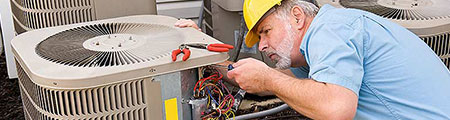
Outdoor AC Condenser

Air Conditioner Basics

A homeowner’s education is never done. Modern homes have so many integrated systems that it can take a lifetime to know everything there is to know about keeping a home running and maximizing its value. One of the areas where many homeowners struggle is the air conditioner. Air conditioning systems take years of experience to work on, so the average homeowner can feel out of their depth when they try to grasp the home’s climate control system. 

In honor of kids returning to school, local HVAC experts have offered to drop some knowledge on owners. Here is a quick guide to help homeowners understand their system type, the signs that AC repairs are needed, and why air conditioning maintenance is a good investment

Options for Air Conditioners

Woman relaxing on a couch with a remote control, ductless mini-split air conditioning unit mounted on the wall, indoor plant and bookshelf in a modern living room setting.There are many different types of air conditioning systems, and homeowners should know the type they have at home. Technology has taken the operating principle of air conditioners and made them fit various scenarios to be more versatile. There are two main types of residential air conditioners that are found in homes: central air conditioning and ductless mini-split air conditioners.

The first and most common type of air conditioner is central air conditioning. Most of the homes in the US are cooled by central AC. The commonality between all central air conditioners is the central blower that uses ductwork to move cool air around the home. These systems are easy to use and keep the home at a uniform temperature. 

The second type of air conditioner commonly found in homes is a ductless mini split air conditioner. Ductless mini splits forgo ductwork and pipe chilled refrigerant around the home that individual blowers use to cool zones in the home. These air conditioners have been more common worldwide for several reasons. First, zone control makes them cheaper to operate. Second, more accurate temperature control is possible for greater individual comfort.    

Signs That Air Conditioning Repair Is Needed
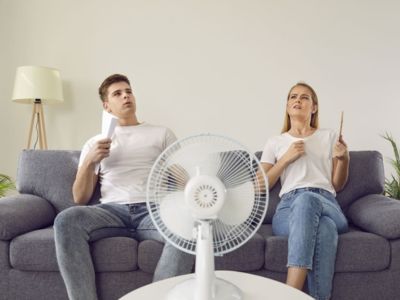
Couple sitting on a couch with a fan, fanning themselves, illustrating discomfort from heat, relevant to air conditioning repair and maintenance discussions.Even though there are only two popular options for air conditioners in most homes, they are similar enough that the advice given to owners of one type also applies to owners of the other type. Some of the signs that air conditioner repairs are needed can be: 

  • Banging or rattling noises coming from the blowers
  • Hissing or bubbling noises in the refrigerant lines
  • No power to the unit
  • Inadequate cooling
  • Poor indoor air quality 

When these signs are noticed, it is highly recommended that an AC repair professional be called. 

Don’t Forget Seasonal AC Maintenance

Both types of air conditioners will give decades of reliable service. However, this is only possible with good AC maintenance. The first step in AC maintenance falls to the homeowners. Replacing air filters or regularly cleaning air filters in blower heads ensures the system stays efficient. The next step for good AC maintenance is partnering with local experts to inspect and maintain the system once per year. Owners can expect greater longevity and reliability from their units by investing in good air conditioning maintenance. 

About Atlantic Heating & Air Conditioning

Atlantic Heating & Air Conditioning has a team of experts big enough to handle any AC repair or installation but small enough to care about each customer. Their teams have offered highly rated service since 1962. Call today for AC repairs or service in Boston, MA. 

Guide to Preventative HVAC Maintenance for Allergy Season

Sick homeowner sneezing

How to Do Preventative HVAC Maintenance for Allergy Season

What is the allergy season? For most people peak allergy season occurs in April to May, with the first blooms of springtime. Many people suffer from allergies in the Spring months that can affect their quality of life in many ways, with the worst of all perhaps being that it makes it hard to breathe.

Pollen in the air can be difficult for anyone to breathe and for people with especially bad seasonal allergies, it can cause allergy attacks, asthma attacks, and more. There are a few ways to prevent allergens from getting into the house, keeping the inside of the house clean and making it available for everyone to breathe easy.

Does Your Home Have a Small Particle Filter?

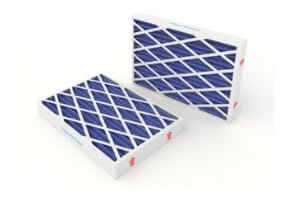
Small particle air filters designed for HVAC systems, showcasing their ability to capture allergens like pollen and dust, relevant for improving indoor air quality during allergy season.One type of high-efficiency air filtration system is a small particle filter. Some air filters only remove particles such as dust, animal dander, or other large and sometimes visible particles from the air. A small particle filter, on the other hand, removes much smaller particles, the ones that are not visible to the eye, such as many types of pollen and other allergens.

Keeping allergens out of the house can be done with an effective small particle filter equipped air purifier. Air purifiers work by filtering the air in the room several times an hour, purifying the air by removing small particles each time the air filters through.

Small particles in the air are the kind that causes the most kinds of disease, allergy attacks, and respiratory problems and is the most dangerous for your health, which is why a small particle filter is better than one that does not filter out small particles.

The Benefits of HEPA Filters

What does HEPA stand for? HEPA filter means, “High-Efficiency Particulate Air” filter. HEPA air filters are powerful air filters that are equipped in most of the efficient air purifiers on the market. An air purifier may use one HEPA filter, multiple HEPA filters, or a combination of HEPA filters and another kind of filter, such as an activated carbon filter.

HEPA filters for air purifiers, showcasing their design and structure, emphasizing high-efficiency particulate air filtration for improved indoor air quality.

HEPA filters work by filtering out particles in the air each time the air is pushed through, and they are efficient at removing such allergens from the air as pet dander, dust, and cigarette smoke. HEPA filters can improve the air quality and smell for houses with pets and/or smokers.

Remember Your Spring Vent Cleaning

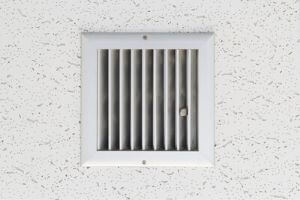
Air vent grille on a textured ceiling, highlighting the importance of vent cleaning for improved indoor air quality and allergen reduction during allergy season.One part of the house to include in the Spring cleaning checklist is the vents. Over time, even if the air filters are being changed regularly, there will be dust and other particles that build up in the vents. If the vents are dirty, the air that comes out of them will be tainted with airborne pollutants and allergens.

Spring is the perfect time to get the vents cleaned in any house because having clean home ventilation will help to keep the air quality good during allergy season. Dirty vents can be a cause of dirty air in the home which is why many HVAC experts recommend having professional vent cleaning services done.

Best Local HVAC Service

For the best heating, air conditioning, and air quality services in Boston, MA, call Atlantic Heating & Air Conditioning. Since 1962 they have serviced the Boston area and beyond with affordable, timely, and expert HVAC services. Atlantic Heating & Air Conditioning is committed to the safety and comfort of the community that they serve, and are available to help 24/7.

Finding The Best Thermostat Temperature Setting For Every season

Energy Savings

HVAC Pros Share Their Thermostat Secrets for All Seasons

The thermostat in your home is essentially the remote control that lets you customize your cooling and heating settings. In the summer, you can easily feel like you’re out on a winter morning enjoying the crisp air. In the winter, you can create beach-like weather at the touch of a button. While thermostats give you all the customization you want, they still need to be handled properly in order to limit any strain on your HVAC system and prevent skyrocketing utility costs.

This article will discuss the ideal thermostat settings for every season, giving you the best performance without sacrifice comfort.

Handling Cold Months

Person bundled in winter clothing, shivering in cold weather with various temperature readings around, illustrating the importance of optimal thermostat settings during cold months.Most people like to hike their thermostats up to large numbers to warm up from the frigid temperatures occurring outside. That may help to make them feel comfortable right away, but the high cost of their heating bill will make them feel cold once again.

As late Fall and early Winter months hit, it becomes very noticeable how chilly the house can become as a result of outdoor temperatures. The ideal temperature when people are home during these cold months should be between 68-70 degrees Fahrenheit.

When people are asleep or away from the house, the temperature should be lowered to 10-15 degrees below your at high home temperature. If this is done for at least eight hours a day, people will notice a reduction in their heating bills of 5-15%. Each degree lowered can save 3% more on heating costs.

Layering up with some heavy blankets and warm pajamas can also help handle some of the cold temperatures inside of the home.

Staying Cool in the Summer

During the spring season and summer months, people try to hang out indoors as much as possible to avoid the hot temperatures that exist outside. The ideal temperature that your thermostat should reach is 78 degrees Fahrenheit. Having a programmable thermostat can help cool off the house before someone arrives at the home.

Woman enjoying a desk fan in a bright office setting, illustrating comfort and cooling solutions for warmer months.

A common strategy that people try to implement is to lower the temperature of their thermostat when the air conditioning is turned on. This strategy is not a wise one because lowering the temperature too much can create an unnecessary expense. Decide on the ideal home temperature and keep the thermostat there.

Raise the Temperature for An Empty House

Empty modern house interior with large windows and polished wooden floors, emphasizing the need for optimal thermostat settings during summer months when unoccupied.For many people, the house remains empty through most of the daylight hours. This is when ensuring your thermostat is set to the right temperature is vital. There are so many households that are wasting energy when no one is home to enjoy it.

One concern that many people have is what to do with their pets in terms of the right temperature. A temperature range of 64 to 78 degrees Fahrenheit is suggested to keep your pets healthy while you are not there. Pets have natural coping mechanisms to adjust to temperature changes. During the summer, homeowners should either raise their thermostats or shut it off entirely when no one is at home.

Why waste energy cooling an empty house? During the colder months, the temperature should be lowered 10-15 degrees Fahrenheit when no one is going to be home. It won’t take too long to get the house warmed up when you arrive home. It is suggested that people purchase a programmable thermostat to make sure temperatures are set for certain hours of the day.

About Atlantic Heating & Air Conditioning 

With a tradition of quality service and loyal customers, Boston residents should look no further than Atlantic Heating & Air Conditioning. They strive for high-level craftsmanship, design, and quality customer service. They always look to install the heating system (or cooling) that is the most cost-efficient and beneficial to their customers.