Winter Air Relief: The Case for a Whole House Humidifier

The Advantages of Installing a Whole Home Humidifier and Signs It’s Needed

As furnaces cycle on and windows stay shut, indoor air often turns uncomfortably dry. Low humidity can aggravate allergies, irritate skin, and even damage wood finishes throughout a home. Installing a whole-house humidifier provides a simple way to balance moisture levels while heating equipment runs. This overview explains how a whole-home humidifier works, warning signs that point to the need for humidifier installation, and the main benefits of a humidifier during cold weather.

What Does a Whole House Humidifier Do?

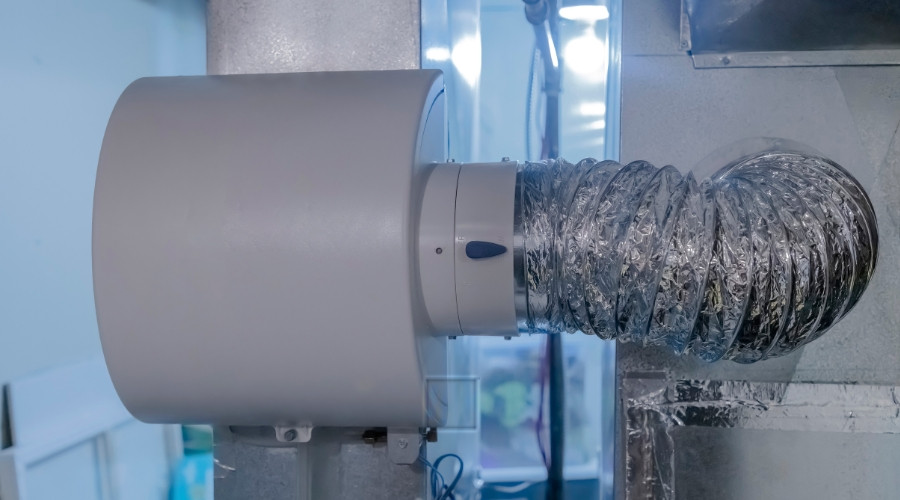
A whole-house humidifier connects directly to the heating system, adding moisture to the air as it passes through the ductwork. The unit typically draws water from a plumbing line, distributes it across a pad or into a mist, and a blower sends that conditioned air to every room. A built‑in control monitors indoor humidity and adjusts output to maintain a comfortable range.

Whole-home humidifier installation is especially helpful in winter. Cold outdoor air naturally holds less moisture, and when that air is heated indoors, relative humidity drops even further. Continuous furnace operation can leave the air so dry that static shocks, dry throats, and creaking floors become everyday annoyances. A properly sized system restores moisture across the entire home instead of relying on several small portable humidifiers.

Signs the House Needs a Humidifier Installation

Several household clues indicate that indoor humidity has fallen too low:

  • Wood floors or furniture showing cracks, gaps, or loose joints
  • Doors that shrink and rattle in their frames
  • Frequent static electricity when touching doorknobs, electronics, or clothing

Physical symptoms also tell the story. Residents may notice dry, itchy skin, chapped lips, or flyaway hair. Respiratory irritation, such as a scratchy throat, dry cough, or recurring nosebleeds, often worsens in overly dry conditions. Individuals with asthma or allergies sometimes experience more intense symptoms when breathing parched air. When building materials and occupants both show these signs, whole-house humidifier installation becomes worth serious consideration.

Benefits of a Whole Home Humidifier

A thoughtfully installed whole-home humidifier delivers comfort and protection benefits throughout the heating season. Proper humidity makes indoor temperatures feel warmer, allowing thermostats to be set slightly lower while maintaining the same sense of coziness. That improvement can translate to reduced energy use over time.

Balanced humidity supports healthier airways by easing dry nasal passages, sore throats, and persistent coughs. Many households find that allergy and asthma symptoms calm down when the air is neither too dry nor too damp. Another important benefit of a humidifier is safeguarding wood floors, trim, musical instruments, and furniture from warping or splitting. Less static electricity also protects electronics and prevents annoying shocks, while skin and hair remain more moisturized and less prone to irritation.

About Atlantic Heating & Air Conditioning

Atlantic Heating & Air Conditioning is Boston and the surrounding areas’ preferred HVAC company, offering top-rated HVAC services backed by over 60 years of industry experience. With 24/7 service and tailored solutions from NATE-certified technicians, your peace of mind is assured. Call them today to schedule humidifier installation and repair in Boston, MA.

3 Ways to Improve Indoor Air Quality for Spring Allergy Relief

Indoor Comfort

Air Quality Tips to Combat the Effects of Allergy Season 

With April showers come May flowers and an influx of spring pollen. In the spring, yellow pollen can be seen coating car exteriors and floating in the air, and it can be hard to escape the negative health effects of breathing in the particles. Almost everyone can feel the effects of allergy season, with symptoms such as itchy eyes, runny noses, and irritated throats. 

Improving indoor air quality can help homeowners combat the symptoms of allergies by reducing the number of allergens in the air. One can optimize the HVAC system for the springtime to keep the indoor air quality clean and breathable. Here are three tips for how homeowners improve their indoor air quality this spring. 

Whole-Home Air Purifier

Air purifier in a modern living room setting, designed to improve indoor air quality by reducing allergens and airborne particles during allergy season.

Air purifiers and air scrubbers are devices that cycle the air inside the house through a filter to remove airborne particles of allergens and contaminants. There are many different options for whole-house air purifiers that homeowners can find on the market. 

The most significant difference between air purifiers is the size of the particle that they can remove from the air. Some air purifiers can only remove the large particles from the air, but the small particles are the most harmful when inhaled. 

High-quality air scrubbers remove 99.9% of airborne particles, even of the most microscopic sizes. They are often found in commercial environments such as hospitals and other health care buildings. One can use small air purifiers to improve the air quality in each room, but a whole-home air purifier is best for removing allergens from the air for the most effective results. 

Benefits of Dehumidifiers During Allergy Season

Dehumidifiers are devices that remove moisture from the air. They can offer benefits for homeowners during allergy season by reducing the number of mold particles in the air. Using a dehumidifier prevents the growth of mold by keeping moisture levels low. Inhaling mold particles negatively affects respiratory health, which further aggravates pollen allergy symptoms. 

UV air sanitizers are another device that improves indoor air quality during allergy season. Like air purifiers, UV air sanitizers circulate the air inside the home through the system to clean it. UV air sanitizers use UV light to kill off bacteria, germs, and viruses in the air. UV air sanitizers are highly effective at keeping the indoor air clean and free from illness-causing airborne particles. 

AC Filter Replacement

Calendar page with the date 30 circled in red, emphasizing the importance of scheduling annual AC maintenance for improved indoor air quality during allergy season.Keeping up with annual AC maintenance can go a long way in getting the HVAC unit ready to handle the demands of springtime. One of the homeowners' most important maintenance steps is AC filter replacement. HVAC units have a mesh filter covering air intake to prevent dust and other particles from entering the unit. Air filters need to be changed every three months for the average home. 

Replacing the air filter on time is essential for ensuring that airborne particles of dust, dirt, and hair do not clog up the inside of the AC system. Without a clean filter, the HVAC system will continue to cycle dust and dirt back into the air. Some types of AC filters are better than others at filtering out allergens. Switching out the home’s air filter for a high-quality air filter made for allergy season will help to keep the indoor air cleaner this spring. 

About Atlantic Heating & Air Conditioning 

Atlantic Heating & Air Conditioning has been the preferred HVAC company for Boston, MA, homeowners for over fifty years. They have a long-standing relationship with their community as the go-to company for heating, cooling, and air quality services. Give them a call today to schedule an appointment for AC maintenance in Boston, MA!