Simple Ways to Improve Indoor Air Quality

Comfortable homeowner

Why Indoor Air Quality Matters

Outdoor air quality is often discussed, especially in recent months. When wildfire smoke from Canada reaches the Boston area — even if it isn’t visible, the small particles can still impact the air quality index. But what about indoor air quality? After all, most people spend much of their time indoors. And a huge chunk of that time is spent in the home. Unfortunately, it’s impossible to simply look up a home’s air quality online. But maintaining healthy indoor air is essential for ensuring inhabitants aren’t inhaling harmful particles for hours every day. Luckily, there are a couple of simple ways to improve indoor air quality in the home.  

Adverse Effects of Poor Indoor Air Quality

Child with a tissue experiencing discomfort, highlighting the effects of poor indoor air quality on health and well-being.It can be tempting to think that poor indoor air quality (IAQ) in a home isn’t an issue. If there are no obvious sources of pollution, such as tobacco smoke, then many homeowners think their air quality is good without having indoor air quality testing done. Unfortunately, many indoor air pollution sources are inside the home. These include pet dander, dust mites, radon, carbon monoxide, lead, and various volatile organic compounds from common cleaning products often stored in the home. 

Breathing these pollutants in can adversely affect inhabitants — especially young children, older adults, and those with respiratory issues. But even healthy individuals can experience headaches, fatigue, dizziness, and throat, nose, and eye irritation. Not to mention allergic reactions or asthma. Fortunately, there are things homeowners can do to improve indoor air quality. 

First Line of Defense: Filters
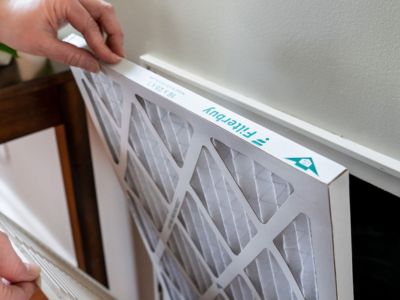
Hand replacing an air filter in an HVAC system, emphasizing indoor air quality maintenance and the importance of regular filter changes for healthier living environments.The first line of defense against poor indoor air quality is all about filter changes and regular HVAC maintenance. The air filter is designed for this very purpose, after all. But it depends on the homeowner to change it on time. It’s also up to the homeowner to schedule regular HVAC maintenance to ensure the system is functioning and that the correct filters are used. 

Most homes will need to perform air filter replacements once every three months. However, those homes with many pets will want to change their filter more frequently — every two months or so, depending on the system. It’s also important to discuss indoor air quality with a professional HVAC technician to determine if anything else needs to be done. Because even with regular filter changes, most homes could benefit from additional help for healthy indoor air quality. 

Additional Help: Air Cleaning Systems

Two types of air cleaning systems are available on the market. The first is an air purifier, and the second is an air sanitizer. These two systems work in different ways. Air purifiers work much like the AC system, pulling things like dust and other particulate matter from the air with the help of a filter. Air sanitizers don’t pull particulate matter from the air. Instead, they neutralize airborne pollutants like viruses, mold, and chemicals. UV air sanitizers do this through the use of ultraviolet light. 

While both systems work to improve indoor air quality, they will benefit households differently. For general air quality improvement, most homes would benefit greatly from an air purifier. It will reduce dust and dander in the air, helping to reduce allergies and most respiratory issues. In homes where susceptible individuals live, such as very young children or older adults with weakened immune systems, a UV air sanitizer will help reduce the chances of illness due to airborne viruses. Homeowners unsure whether they need one of these systems should consult a professional HVAC technician to determine the best way to improve indoor air quality. 

About Atlantic Heating & Air Conditioning

Atlantic Heating & Air Conditioning has proudly served Boston, MA since 1962. As industry-leading professionals, they provide long-term comfort with tailored solutions. Their 24/7 service also provides peace of mind for those dreaded HVAC emergencies. Contact them today for indoor air quality services in Boston, MA. 

3 Ways to Improve Indoor Air Quality for Spring Allergy Relief

Indoor Comfort

Air Quality Tips to Combat the Effects of Allergy Season 

With April showers come May flowers and an influx of spring pollen. In the spring, yellow pollen can be seen coating car exteriors and floating in the air, and it can be hard to escape the negative health effects of breathing in the particles. Almost everyone can feel the effects of allergy season, with symptoms such as itchy eyes, runny noses, and irritated throats. 

Improving indoor air quality can help homeowners combat the symptoms of allergies by reducing the number of allergens in the air. One can optimize the HVAC system for the springtime to keep the indoor air quality clean and breathable. Here are three tips for how homeowners improve their indoor air quality this spring. 

Whole-Home Air Purifier

Air purifier in a modern living room setting, designed to improve indoor air quality by reducing allergens and airborne particles during allergy season.

Air purifiers and air scrubbers are devices that cycle the air inside the house through a filter to remove airborne particles of allergens and contaminants. There are many different options for whole-house air purifiers that homeowners can find on the market. 

The most significant difference between air purifiers is the size of the particle that they can remove from the air. Some air purifiers can only remove the large particles from the air, but the small particles are the most harmful when inhaled. 

High-quality air scrubbers remove 99.9% of airborne particles, even of the most microscopic sizes. They are often found in commercial environments such as hospitals and other health care buildings. One can use small air purifiers to improve the air quality in each room, but a whole-home air purifier is best for removing allergens from the air for the most effective results. 

Benefits of Dehumidifiers During Allergy Season

Dehumidifiers are devices that remove moisture from the air. They can offer benefits for homeowners during allergy season by reducing the number of mold particles in the air. Using a dehumidifier prevents the growth of mold by keeping moisture levels low. Inhaling mold particles negatively affects respiratory health, which further aggravates pollen allergy symptoms. 

UV air sanitizers are another device that improves indoor air quality during allergy season. Like air purifiers, UV air sanitizers circulate the air inside the home through the system to clean it. UV air sanitizers use UV light to kill off bacteria, germs, and viruses in the air. UV air sanitizers are highly effective at keeping the indoor air clean and free from illness-causing airborne particles. 

AC Filter Replacement

Calendar page with the date 30 circled in red, emphasizing the importance of scheduling annual AC maintenance for improved indoor air quality during allergy season.Keeping up with annual AC maintenance can go a long way in getting the HVAC unit ready to handle the demands of springtime. One of the homeowners' most important maintenance steps is AC filter replacement. HVAC units have a mesh filter covering air intake to prevent dust and other particles from entering the unit. Air filters need to be changed every three months for the average home. 

Replacing the air filter on time is essential for ensuring that airborne particles of dust, dirt, and hair do not clog up the inside of the AC system. Without a clean filter, the HVAC system will continue to cycle dust and dirt back into the air. Some types of AC filters are better than others at filtering out allergens. Switching out the home’s air filter for a high-quality air filter made for allergy season will help to keep the indoor air cleaner this spring. 

About Atlantic Heating & Air Conditioning 

Atlantic Heating & Air Conditioning has been the preferred HVAC company for Boston, MA, homeowners for over fifty years. They have a long-standing relationship with their community as the go-to company for heating, cooling, and air quality services. Give them a call today to schedule an appointment for AC maintenance in Boston, MA! 

Breathe Better With Improved Indoor Air Quality

Comfortable homeowner

Tips for Improving Indoor Air Quality 

People who suffer from allergies, asthma, or other respiratory illnesses appreciate air quality better than anyone. Air quality affects the ability to draw oxygen into the body and has a big impact on overall health. 

For homeowners, it’s important to understand indoor air quality, how it can be improved, and the tools that are used to do so.

The Importance of Indoor Air Quality

3D character thinking while sitting on a large red question mark, symbolizing inquiries about indoor air quality and HVAC solutions.

Indoor air quality is a measurement of the quality of the air inside a building. This measurement is achieved by taking samples of the air, collecting samples from the surfaces inside the building, computer modeling of airflow, and monitoring human exposure to pollutants. 

The outdoor Air Quality Index measures levels of chemicals, pollutants, and ozone in the atmosphere. Indoor air quality measurements similarly calculate the concentration of pollutants in the air. A high level of pollution negatively affects human health, causing itchy eyes, irritated throat, sneezing, wheezing, headaches, dizziness, and fatigue. Long-term exposure to certain pollutants can even lead to respiratory illness, cancer, or heart disease.

Poor indoor air quality is often a result of pollutants inside the house, such as pet dander, fresh paint, new carpeting, fuel-burning appliances, cleaning products, building materials, and tobacco products. Pollution, pesticides, and gases from outdoor air can also impact indoor air quality. Humidity and poor ventilation inside the home contribute to low air quality, as well. All this can impact health and sleep, lowering the quality of both.

How To Improve Indoor Air Quality

Text graphic with bold, three-dimensional letters spelling "HOW TO!" in red and white, emphasizing instructional content related to improving indoor air quality.

Indoor air quality can be improved by taking the following actions:

  • Replace the air filter: A new, high-quality air filter is more effective at containing particulates.
  • Clean the air ducts: Prevent dust, dander, and debris from blowing around the home by having the air ducts professionally cleaned.
  • Get an HVAC tune-up: A certified HVAC technician can thoroughly clean the furnace, heater, and/or air conditioner, which will eliminate pollutants from the system.
  • Increase ventilation: Adding additional ventilation will create greater airflow, sending harmful pollutants outside and refreshing indoor air.
  • Install a dehumidifier: Moist air is more difficult to breathe and retains more pollutants; a dehumidifier will make the air cleaner and easier to breathe.
  • Seal openings and cracks: Look for drafts around doors and windows and seal the cracks with insulation, weatherstripping, or silicone caulk to keep outdoor air out.
  • Install an air purifier or sanitizer: Clean the air with a whole-home purifier or sanitizer, or opt for smaller units in each room.

About Air Purifiers and UV Air Sanitizers

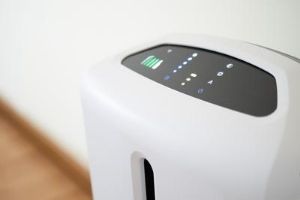
Air purifier with digital control panel, emphasizing indoor air quality improvement and health benefits.

Installing an air purifier or UV air sanitizer in the home is an ideal way to improve overall indoor air quality. Using both together can better protect a family’s health.

A typical air purifier draws air through a filter to remove harmful pollutants. They are available in many sizes, styles, and prices. Some offer additional heating and cooling, or a built-in humidifier or dehumidifier. Newer models can connect to their smartphone to provide an accurate, timely indoor air quality report.

UV air sanitizers do not have any effect on dust or particle pollution, but they are highly effective at eliminating organic pollutants such as mold, mildew, bacteria, and viruses. UV air sanitizers use short-wave ultraviolet light to kill microbes as the air passes through. They often include a HEPA air filter for additional cleaning capabilities.

An experienced HVAC technician can help homeowners decide whether to use an air purifier or UV air sanitizer, or both, and which style will be best for the needs of their family and home.

About Atlantic Heating & Air Conditioning

Atlantic Heating & Air Conditioning has been serving Boston and the surrounding areas since 1962. The team at Atlantic Heating & Air Conditioning will assess their customer’s needs, work with them to develop a plan to fit their budget, and make sure they are 100% satisfied with the results. Get in contact with them today to learn more about the best indoor air quality services in Boston