Humidity, Humidifier, and Dehumidifier Basics to Know
Humidity levels are crucial to indoor air quality because they directly affect the environment's comfort, health, and structural integrity. Proper humidity balances, typically between 30% and 50%, help prevent the growth of mold, mildew, and dust mites, which can cause respiratory problems and trigger allergies, thereby maintaining healthy air quality.
Excessive humidity can lead to condensation, musty odors, and the deterioration of household materials like wood and paint, while insufficient humidity can dry out skin and respiratory passages, increasing discomfort and potential health issues. Maintaining optimal humidity levels is essential for ensuring a healthy, comfortable, and well-preserved living space.
Why Does Humidity Matter?
Humidity levels significantly impact indoor air quality and can affect the comfort and health of a home's occupants. Too much humidity creates an environment conducive to mold and mildew growth, which can lead to respiratory problems and exacerbate allergies. It can also encourage the proliferation of dust mites and result in musty odors, detracting from air quality.
Conversely, too little humidity can also negatively impact indoor air quality. Dry air can irritate respiratory passages and skin, leading to discomfort and health issues like dry throats and noses, increased static electricity, and exacerbated asthma symptoms. It can also damage wooden furniture and flooring by causing them to crack.
Humidifiers
 Installing a humidifier offers several benefits, enhancing both comfort and health within a home. By adding moisture to the air, a humidifier helps alleviate dry skin, nasal congestion, and throat irritation, which are common in low-humidity environments, especially during winter months.
Here are some signs a homeowner may need a humidifier:
- Persistent dry skin or chapped lips
- Increased static electricity in the home
- Irritated eyes or dry throat
- Cracking or warping of wooden furniture and floors
- Frequent nosebleeds
- Worsened respiratory issues or allergy symptoms
- Wilting or unhealthy-looking houseplants, despite proper care
Dehumidifiers
 Installing a dehumidifier offers numerous benefits by reducing excess moisture in the air, thereby improving indoor air quality and comfort. It helps prevent mold and mildew growth, which can cause respiratory issues and exacerbate allergies. Additionally, it contributes to a more comfortable and cooler environment, particularly in humid climates, and can reduce musty odors often associated with high humidity.
Here are some signs a homeowner may need a dehumidifier:
- Persistent musty or damp odors
- Visible mold or mildew growth
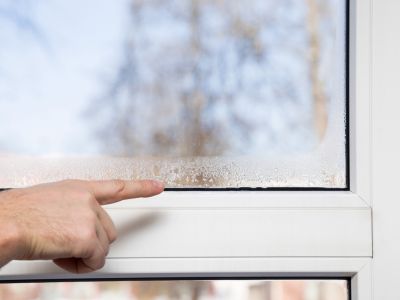
- Condensation on windows or walls
- Rooms feeling excessively humid or stuffy
- Warping or damage to wooden structures and furnishings
- Increase in allergy or asthma symptoms indoors
About Atlantic Heating & Cooling
Homeowners in Boston, MA, have trusted Atlantic Heating & Cooling since 1962 for everything from AC repair to heater installation to indoor air quality services. Contact Atlantic Heating & Cooling today to learn more about dehumidifier and humidifier installation.
)