Understanding Air Handlers: A Homeowner's Guide

Understanding Air Handlers and When They Need Service

Managing indoor comfort involves more than just setting a thermostat and forgetting about it. While many people focus entirely on the noisy outdoor machinery sitting in the backyard, the real magic of climate control happens quietly inside the home. A major part of keeping an entire house perfectly cooled or warmed relies on a specialized indoor system designed to manage air circulation. Keeping this system running smoothly ensures that every room stays pleasant, the indoor air stays breathable, and monthly energy bills remain completely under control.

What Is an Air Handler and Its Components?

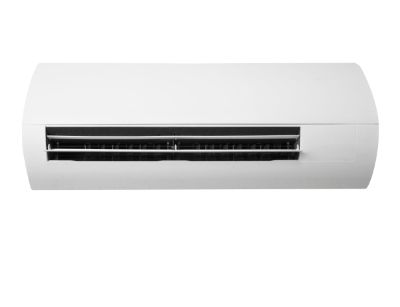
evaporator coilAn air handler is the crucial indoor unit of an air conditioning or heat pump system, serving as the lungs of a home. While the outdoor equipment handles the heavy lifting of heat exchange, this indoor air handler pulls air from the living spaces, conditions it, and distributes the refreshed air throughout the house. Without this steady movement, a home would quickly become stuffy, unevenly cooled, and uncomfortable.

To do its job effectively, the air handler unit houses several essential components working in perfect harmony. First is the evaporator coil, a network of tubing that chills the air passing over it during the hot summer months. Next is the blower, a powerful internal fan that physically pushes the newly conditioned air through the ductwork and into the living spaces. Finally, the system includes an air filter that captures dust, pet dander, and other airborne particles before they can enter the machinery or recirculate back into the household.

Key Signs That the Air Handler Needs Repair or Replacement

Property owners can avoid major headaches by paying attention to how their climate control system behaves daily. One of the most obvious indicators of trouble is the emergence of unusual noises, such as rattling, squealing, or thumping sounds coming from the utility closet, which usually point to a mechanical issue with the internal blower. Homeowners might also notice a sudden, unexplained spike in their monthly utility expenses, signaling that the system is working twice as hard to achieve the same results. 

Another red flag is water pooling around the base of the equipment, which often stems from a clogged drain line or an icy evaporator coil that has started to thaw. Lastly, if certain areas of the house feel breezy while others remain stifling, poor airflow and fluctuating temperatures indicate the system is struggling to maintain a balanced indoor environment and requires professional attention.

Why the Air Handler Needs Routine Maintenance
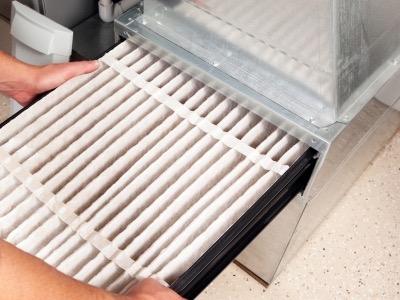
filter Scheduling regular checkups for indoor climate systems is the absolute best way to protect a major household investment. Much like a vehicle, an air handling unit requires periodic tuning to maintain peak energy efficiency and lower daily operating costs. When dust and debris accumulate on internal parts, the machinery must consume far more electricity to pull air through the system, creating unnecessary wear and tear. Dedicating time to routine care extends the equipment's overall longevity, ensures consistent home comfort, and significantly reduces the risk of an emergency breakdown on the hottest or coldest day of the year.

A massive part of this upkeep routine involves managing the system's defense barrier. Performing a timely air or AC filter replacement prevents debris from clogging the internal machinery. A clogged AC filter chokes off necessary airflow, forcing the system to overheat or freeze up entirely. Keeping a fresh air filter in place is a simple, cost-effective habit that keeps the indoor air clean, protects the blower, and ensures the entire system functions flawlessly for years to come.

About Atlantic Heating & Air Conditioning

Atlantic Heating & Air Conditioning provides customized heating, cooling, and indoor air quality solutions for homeowners and businesses. Known for 24/7 service, industry-leading expertise, and tailored solutions, the team delivers reliable system design, installation, repair, and maintenance with a strong commitment to quality workmanship, energy efficiency, and dependable customer care. Call for air handler service in Boston, MA

Why Should Homeowners Schedule Air Conditioning Maintenance This Spring?

The Importance of AC Maintenance and When It's Needed

Ensuring the air conditioning system receives regular professional maintenance is one of the most effective ways to guarantee home comfort and financial savings. While often overlooked, annual air conditioner maintenance is essential for a high-performing AC system, addressing everything from energy consumption to long-term reliability. By understanding why this service is beneficial and identifying the optimal time to schedule maintenance, homeowners can enjoy a cool, comfortable home, lower energy bills, and a significantly longer lifespan for one of their most valuable home appliances.

Benefits of Air Conditioner Maintenance

save money Annual air conditioning maintenance ensures an air conditioner operates with better energy efficiency than one where maintenance was skipped. A well-maintained and energy-efficient AC system uses less electricity, translating directly into lower monthly energy bills. Scheduling air conditioner maintenance in the spring maximizes these energy savings during the peak summer cooling season, when the system is most needed and runs the most.
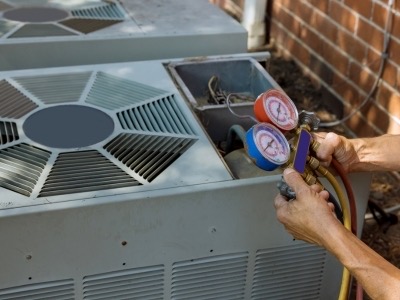
Routine AC maintenance also provides preventive care that boosts reliability and significantly reduces the risk of inconvenient, costly breakdowns or problems requiring air conditioner repair. This also helps save on air conditioning repair costs. Technicians can identify and resolve issues during a maintenance visit, such as worn parts or refrigerant imbalances, before they escalate into more serious problems. Furthermore, maintenance helps extend the AC unit's lifespan, delaying the need for a premature, costly air conditioner replacement.

What Does AC Maintenance Entail?

hvac Professional air conditioning maintenance involves a thorough inspection of the system's components. This detailed assessment allows an HVAC technician to promptly identify and address any existing issues or potential damage before they escalate into bigger problems or cause a system failure during peak use, leading to costly air conditioning replacement or repair. Catching and addressing these small problems early helps ensure continuous, reliable performance and helps prevent unexpected service calls in the future.

During an AC tune-up, technicians also perform several critical tasks that are essential to prevent future problems and maintain energy-efficient operation, including cleaning the evaporator and condenser coils. Dirty coils can not only lead to refrigerant leaks but also cause cooling issues and force the AC system to work harder, increasing energy consumption and costs. Maintenance tasks, including cleaning coils, verifying the thermostat’s accuracy, checking the refrigerant level, checking for loose electrical connections, and tightening them when necessary, are all crucial for the ongoing reliability, longevity, and efficiency of an air conditioning system.

How Often Is Maintenance Needed?

Professional air conditioner maintenance should be scheduled at least once a year, with spring being the ideal time. This timing is recommended because AC contractors typically have less busy schedules in the spring compared to the peak summer rush, helping homeowners secure a more convenient appointment. However, perhaps most importantly, scheduling in the spring ensures the system is energy-efficient and allows any potential issues or required AC repair to be addressed before the air conditioner is needed most during the hot summer months, ultimately leading to lower cooling costs and more reliable performance when the system faces peak demand.

While professional AC maintenance is critical, homeowners can also play an important role by regularly changing air filters, a maintenance task that needs to be done more often than annually. Air filter replacement is typically required at least every three months, though factors like household pets or high dust levels may necessitate more frequent air filter changes. Consistently replacing clogged or dirty air filters is vital because it improves indoor air quality, supports steady airflow, helps extend the air conditioner’s lifespan to prevent early AC replacement, and maintains the AC system's energy efficiency, helping to keep energy bills down between professional AC tune-ups.

About Atlantic Heating & Air Conditioning

Atlantic Heating & Air Conditioning is a family-owned and operated company serving the Boston area since 1962. They provide 24/7 emergency response, personalized service, and trustworthy technicians. Call them for air conditioning maintenance and repair services in Boston, MA.

What Homeowners Need to Understand About Humidity

humidity

Understanding Humidity and the Effects It Has on the Home

Keeping a home warm in the winter and cool in the summer takes more than just adjusting the thermostat. Every home behaves differently, so homeowners need to understand what makes their home less efficient and less comfortable. One of the biggest elements of indoor comfort is the humidity level, which is also one of the most misunderstood factors. 

When humidity levels are outside the comfort range, the home can be unlivable, and bills can skyrocket. Luckily, getting a grasp of how a home handles humidity is pretty easy, and there are easy ways to make corrections if the humidity levels are too high or low. Here is a quick guide from local experts to help get homeowners started. 

What’s the Deal with Humidity? 

Humidity is the level of water vapor in the air, which has huge implications for health and comfort. When air is too dry, it will sap moisture from the skin and lungs of people in the home, causing discomfort and health problems. When air is too laden with moisture, mold growth is encouraged, making the home unsafe, and the air will feel clammy and warm even with the air conditioner running. 

The ideal level for humidity in the home is between 40% and 60%. This range helps homeowners maximize comfort so they don’t have to run their AC equipment so hard to stay comfortable. However, the humidity can drop in the winter and soar in the summer, requiring homeowners to take action to get back in the right range. Two types of equipment are available to change the humidity levels in the air. 

Using Humidifiers 

Aprilaire whole-home humidifier installed in HVAC system, enhancing indoor air quality and regulating humidity levels for comfort and health.Humidifiers are important tools for homes that tend to be too dry. This is most commonly a problem in the winter, especially in homes that use wood-burning stoves or fossil-fuel furnaces for heat. However, low humidity can be a problem in the summer if the air conditioner is too small for a space. When skin feels dry, and wood furniture starts to crack, humidity is too low. 

Most people recognize a humidifier as a portable unit that adjusts moisture in a single room. While these do a great job on a small scale, adjusting the humidity in a home requires more serious interventions. Whole-home humidifiers are installed along with heating and cooling equipment and adjust the humidity automatically to keep the home comfortably humid all year long. 

Using Dehumidifiers 

Whole-home dehumidifier unit installed in a residential space, showcasing its ductwork and elevated platform for effective humidity control.Dehumidifiers are used in homes that suffer from excessive humidity. In a perfect world, the air conditioner would keep humidity levels low. However, with an oversized AC unit or a well-sealed home, humidity levels can climb high enough to be amended. When mold growth or odors are a problem in the home, air-conditioned air in the summer feels clammy, humidity is too high, and a dehumidifier is probably a good idea. Like humidifiers, whole-home dehumidifiers offer the best ease of use and comfort. 

About Atlantic Heating & Air Conditioning

Atlantic Heating & Air Conditioning is an industry leader in indoor air quality. Their teams can design the perfect HVAC system or find the right whole-home humidifier for every home. Call today for HVAC service in Boston, MA. 

Homeowners Can Ready Their Homes for the Holidays with Heat Pumps

The Benefits of Installing a Heat Pump 

The U.S. Department of Energy notes that almost one-third of homeowners’ energy bills go toward heating. This makes having an efficient heating system crucial. Having a system on its last leg doesn’t only keep the home cold––but it can rack up costly utility bills. 

This holiday season, homeowners should consider the benefits of installing a heat pump. These devices have one job: heat the home’s interior effectively during the coldest months. Homeowners can consult heat pump services to learn more about their homes’ needs and what measures could better their situation. 

What Is a Heat Pump? How Does It Work? 

A heat pump is an integral part of the home’s HVAC system. It draws air from the outside and regulates it to the desired temperature inside. There are many types of heat pumps on today’s market, including: 

  • Ducted air-source heat pumps: These devices are the most common in today’s market. They draw in outside air and work as dehumidifiers, making them ideal for summer. 
  • Ductless air-source heat pump: Some of these devices rely on water to regulate the home’s indoor temperature. 
  • Geothermal heat pump: While these devices are initially pretty costly to install, they prove their value over time. That’s because it requires very little energy. This method uses groundwater and converts it into heat. 
  • Absorption heat pumps: This is a relatively new form of technology, notes the U.S. Department of Energy. This device uses heat as an energy source and drives warm air through a home’s vents. 

Ductless Heating Has Many Benefits Ductless heating unit designed for efficient temperature control, showcasing compact size and sleek design, ideal for versatile installation in homes.

The U.S. Department of Energy notes that ductless heating has many benefits, ranging from versatility to low installation costs. Some benefits include: 
  • Size: These heat pumps are relatively small, making them fit comfortably in tight spaces. 
  • Easy installation: Some of these devices only require three-inch holes in the wall to heat the house. They also have exposed elements, making components easily accessible to heat pump repair technicians. 
  • Flexible locations: Homeowners don’t have to install their heat pumps in certain places with these appliances. Depending on their homes’ layout, technicians can install these devices virtually anywhere, including in the ceiling or tight corners. 
  • Great lifetime costs: There’s no hiding it. A decent heat pump can cost anywhere from $3,000 to $8,000. But the investment is worth it. While this might initially seem expensive, homeowners can see marked decreases in their monthly energy bills. They may also experience better indoor air quality than they did before. 

Piggy bank surrounded by stacks of coins, symbolizing savings and financial efficiency related to heat pump investment for homeowners.Heat Pumps Save Money

According to the Energy Information Administration (EIA), homeowners may spend anywhere from $80 to around $150––and that’s just during the holiday season. Some homeowners that live in rural areas or rely on outdated heating systems may find themselves spending even more. 

This makes having a well-functioning heat pump crucial. If a thermostat or heating system needs replacing, it’s not just wasted energy––it’s wasted money. A local heating service company can explain more after reviewing a homeowners’ HVAC system. 

About Atlantic Heating & Air Conditioning 

Boston, MA, residents know who to turn to with their HVAC problems. Atlantic Heating & Air Conditioning specializes in heat pump installation and other home improvement services. They also offer same-day pricing, honest pricing, and emergency heating services