Save On Heating and Cooling Costs with a Few Simple Tips

Ways to Save Money While Staying Comfortable

Home comfort in Boston can change dramatically with each season, and rising utility bills often turn that comfort into concern. Over time, homeowners watch heating systems push through icy winters and air conditioners strain during humid summers, steadily increasing energy consumption. With the right HVAC maintenance practices, thoughtful upgrades, and high-efficiency air filtration, it becomes possible to cut operating costs while improving indoor air quality and overall system performance.

Maintenance and Air Filter Replacement

filter

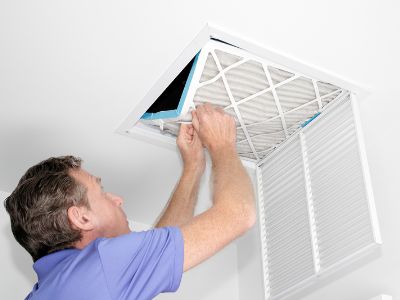
One of the simplest and most frequently overlooked steps is regular air filter replacement. Clean filters directly improve airflow and system efficiency. When filters clog, furnaces and air conditioners must work harder, driving up energy use and monthly utility bills. Routine filter changes support healthier indoor air, reduce dust buildup, and protect critical HVAC components from avoidable wear and tear.

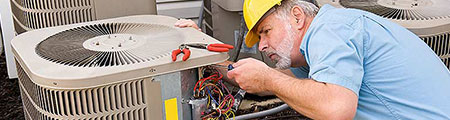
Preventative HVAC maintenance, including seasonal tune-ups, keeps heating and cooling systems operating at peak performance so indoor spaces remain comfortable throughout the year. Routine inspections, coil cleaning, refrigerant checks, and airflow testing all help optimize energy efficiency and lower operating costs. Consistent maintenance also reduces the risk of sudden breakdowns and minimizes the likelihood of costly emergency repairs.

In Boston, many residents note that well-maintained systems tend to last longer, protecting the original equipment investment. Extending the lifespan of a furnace or central air conditioning unit delays expensive replacements and helps preserve warranty coverage. This proactive approach turns small, scheduled service visits into meaningful long-term savings.

Utilize Ceiling Fans

fan

Many households recommend ceiling fans as a simple, effective way to support both heating and cooling systems year-round. When fans help circulate conditioned air, thermostat settings can often be adjusted by several degrees without sacrificing comfort. Even this modest change can reduce energy consumption while maintaining stable indoor temperatures.

During winter, ceiling fans perform best when set to rotate clockwise at a low speed to gently push warm air down from the ceiling. This setting redistributes heat that naturally rises, allowing the heating system to cycle on less frequently. More even heat distribution can directly reduce heating costs during cold Boston winters.

In summer, Boston residents often switch ceiling fans to a counterclockwise rotation to create a cooling breeze. This airflow supports the air conditioning system and helps rooms feel cooler than the thermostat setting alone would suggest. With this strategy, thermostat settings can be raised slightly while comfort remains high, leading to noticeable energy savings.

Install a Smart Thermostat

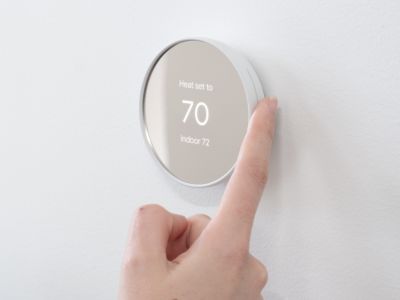
Heating and cooling professionals frequently recommend installing a smart thermostat as a modern way to increase HVAC efficiency and control energy costs. Programmable schedules make it possible to reduce heating and cooling output when a home is empty. Automated temperature adjustments cut down on wasted energy and help deliver consistent savings on utility bills.

Many homeowners value the real-time energy data and remote access that smart thermostats provide through mobile devices. These features support more informed decisions about temperature settings and overall energy use. Greater control over heating and cooling promotes long-term efficiency and encourages more responsible energy consumption.

Local experts often point out that combining a smart thermostat with routine maintenance and high-quality air filtration creates a comprehensive energy-saving plan. When systems run efficiently, and indoor air stays clean, homeowners enjoy better comfort and lower operating costs at the same time.

Call Atlantic Heating & Air Conditioning

Atlantic Heating & Air Conditioning is a trusted heating and AC provider in the Boston, MA, community, offering tailored solutions, 24/7 service, and peace of mind. Call them for high-efficiency air filtration installation in Boston, MA.

Cooling With Central AC vs. Ductless Mini Splits

Choosing Between a Central AC and a Ductless Mini Split System

Choosing between central air conditioning and a ductless mini-split system is an important decision for achieving optimal home comfort, as both offer unique benefits and considerations. A thorough understanding of the fundamental differences is essential for selecting the climate control solution best suited to the house. This guide will delve into the characteristics and advantages of each system.

Central Air Conditioning

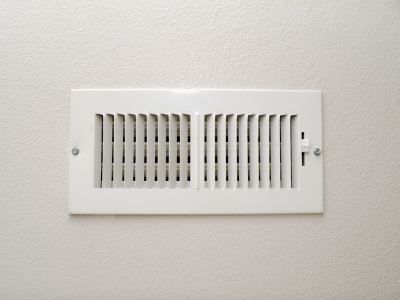
Wall-mounted air vent for central air conditioning system, illustrating ducted air distribution in home HVAC solutions.A central air conditioning system utilizes a network of ducts to distribute cooled air throughout a house. This setup provides consistent temperature control across multiple rooms. Installation is straightforward when existing ductwork is present. A new central air conditioner becomes a cost-effective choice in such scenarios.

Significant convenience is a key benefit of central AC. A single thermostat manages the temperature for the entire home. This centralized control simplifies climate adjustments. The system integrates seamlessly into a home's existing infrastructure. Overall comfort is maintained with minimal effort.

Ductless Mini Split Air Conditioner

Ductless mini-split air conditioner mounted on a wall, showcasing energy-efficient cooling technology, relevant to home climate control solutions.A ductless mini-split system operates without the need for extensive ductwork. Individual indoor units are connected directly to an outdoor compressor. This design eliminates energy losses commonly associated with ducts. Enhanced energy efficiency is a direct result of this setup.

Monthly energy bills often show savings with a mini-split system. The absence of ductwork provides installation flexibility. These systems adapt well to various home types and unique spaces. Zone temperature control is also a notable advantage.

Factors to Consider Before Installation

Existing air ducts in a home significantly influence the decision. A home with pre-existing ductwork may find central air more economical to install. The layout of the home also plays a role. Installing ductwork can be impractical in certain home designs.

Installation cost versus monthly operating costs is another critical factor. A lower initial investment might be prioritized. Alternatively, long-term savings on energy bills could be the primary concern. Consistent temperatures throughout the entire house appeal to some occupants. Others prefer zone temperature control, allowing individual cooling of specific areas based on occupancy or preference.

Call Atlantic Heating & Air Conditioning

Atlantic Heating & Air Conditioning is a trusted HVAC company serving Boston, MA, and the surrounding areas. They offer 24/7 service, tailored solutions, and peace of mind. Call them for ductless mini split installation and repair services in Boston, MA.

Refrigerant Made Easy: A Home Cooling Guide

Refrigerant and Signs of Refrigerant Issues

High utility bills and inefficient cooling often result from problems related to refrigerant. Trenchless methods may fix pipes underground, but for air conditioning, refrigerant keeps everything running efficiently. Proper refrigerant management improves system reliability and reduces operating costs. Understanding how refrigerant works and how to identify issues is essential for long-term performance.

How Refrigerant Works in an Air Conditioning System

Refrigerant serves as the heat-transfer agent that enables effective air conditioning. This chemical compound absorbs heat from indoor air through the evaporator coil and releases it outdoors via the condenser. Without refrigerant, air conditioning systems cannot cool air or regulate indoor temperatures effectively.

The refrigerant cycle begins as a liquid inside the evaporator coil, where it absorbs heat and becomes a gas. This gas travels to the outdoor unit, releases heat, and returns to liquid form. A compressor and expansion valve regulate temperature and pressure throughout the cycle. According to the Air Conditioning Contractors of America, modern systems can remove up to 36,000 BTUs of heat per hour with properly functioning refrigerant.

Signs of a Refrigerant Leak or Overcharged Refrigerant

Woman sitting on a couch in a modern kitchen, using a blue fan for cooling while working on a laptop, illustrating the importance of effective refrigerant in home cooling systems.Performance issues often indicate refrigerant imbalance. Warm air from vents, ice buildup on the evaporator coil, and a system running continuously without reaching set temperatures all suggest insufficient refrigerant. These symptoms reduce comfort and increase strain on system components.

Unusual sounds near the outdoor unit, such as hissing or bubbling, often signal escaping refrigerant from leaks in the lines. Rising energy bills without increased usage may also point to inefficient cooling due to low refrigerant levels. The Environmental Protection Agency reports that refrigerant leaks account for roughly 30% of efficiency losses in residential systems. Timely diagnosis prevents major damage and restores system performance.

Overcharging Creates Identical Warning Signs

HVAC technician using gauges to assess refrigerant levels in a cooling system, signaling thumbs up for proper evaluation and maintenance.Too much refrigerant in a system causes problems similar to undercharging. Reduced cooling, ice on coils, and strange noises can occur in both situations. The symptoms look the same, but the mechanical causes differ.

Overcharging makes the compressor work harder, while undercharging limits heat absorption. Both situations stress the system parts and lower efficiency. Specialized gauges allow HVAC technicians to measure refrigerant levels accurately and identify the exact cause. According to EPA data, improper refrigerant handling is responsible for nearly a quarter of early AC system failures.

Accurate assessment prevents unnecessary damage. Adding refrigerant without professional evaluation risks overcharging and permanent compressor failure. Technicians ensure the correct balance using precise tools and measurements. Careful diagnostics avoid costly repairs and extend the life of the cooling system.

How to Avoid Refrigerant Issues

Accurate refrigerant levels maintain system efficiency and prevent breakdowns. HVAC professionals use manifold gauges and electronic scales to achieve the correct charge. DIY refills often lead to overcharging, which reduces cooling and damages components.

Professionals determine the proper charge based on system specifications and outdoor conditions. Studies show that overcharged systems may lose 15–25% efficiency. Certified technicians also follow EPA regulations on refrigerant recovery and disposal. This compliance protects both the equipment and the environment.

Regular maintenance further reduces the risk of refrigerant issues. Systematic inspection identifies early signs of leaks or damage before performance suffers. According to the Air Conditioning Contractors of America, scheduled maintenance prevents up to 85% of refrigerant-related failures. Cleaning coils, tightening fittings, and replacing worn seals helps preserve refrigerant levels and avoid emergency repairs.

Well-maintained systems operate more efficiently and require fewer refrigerant adjustments over time. Clean components face less corrosion and wear. Technicians detect problems that might go unnoticed during casual inspections. This proactive care enhances system longevity and maintains comfort even in peak summer conditions.

About Atlantic Heating & Air Conditioning

Atlantic Heating & Air Conditioning is a local HVAC expert serving Boston, MA, and the surrounding areas. They offer 24/7 service, tailored solutions, and peace of mind. Call them for air conditioning repair and maintenance in Boston, MA.

Three Tips to Quickly Reduce Heating and Cooling Bills

high cost utility bill

Go Green and Don't Get Pinched By High Bills for St. Patrick's Day

With St. Patrick's Day on the way, everyone is putting a little green in their wardrobe, and stores are decorating for the occasion. Leprechauns and their pots of gold will be popping up everywhere in celebration. The symbols of green and pots of gold carry more meaning for homeowners than a cultural holiday. For homeowners, it can bring to mind the eco-friendliness of their homes and the bundle of money they spend monthly on bills. 

This year, celebrate St. Patrick's Day a little differently. Reduce heating and cooling costs to save a pot of gold on monthly bills. Luckily, reducing bills also means going a little greener. Here are three top tips to celebrate St. Patrick's Day in style. 

Use Ceiling Fans as Intended 

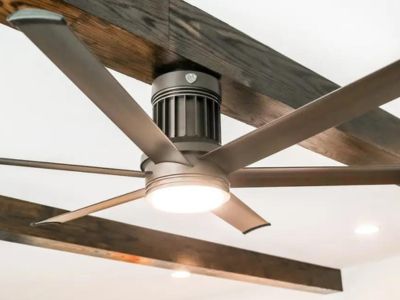
Ceiling fan with modern design and integrated light fixture, showcasing energy-efficient cooling solutions for reducing heating and cooling costs.The key to reducing any utility bill is to increase its efficiency and lower its usage. Too often, homeowners will avoid this conversation because they assume it means keeping the home too warm or too cool for comfort just to save a little money. Luckily, there are great ways to lower the use of furnaces or air conditioners without suffering. 
Learning to use ceiling fans properly is a great place to start lowering bills. In the winter, make sure fans are turning clockwise. This mixes warm air near the ceiling with cooler air below and pushes it downward without causing a draft. Conversely, in the summer, make sure fans are turning counterclockwise. This causes a cooling draft that speeds up the evaporation of sweat to make everyone in the room feel cooler. 

Replace Air Filters 

Ceiling fans are a great way to reduce HVAC usage and adjust the thermostat so it doesn't run as often. However, increasing the unit's efficiency when it does run is a great way to lower overall bills. The best way to protect efficiency is to replace the air filters. 

Air filter replacement allows the furnace and air conditioner to move air more effectively around the home. When filters get clogged by dust and debris, airflow is reduced. While it may not be noticeable to the homeowner, the system will run slightly longer to compensate. This will be reflected on the bill at the end of the month. Airflow is maximized when AC filters are replaced every three months and efficiency increases. 

Install a New Smart Thermostat 

Smart thermostat displaying temperature settings with a hand adjusting the controls, illustrating energy efficiency and home comfort solutions for heating and cooling.Maybe the best way to lower heating and cooling bills is to invest in technology that does the work for you. Smart thermostats are the latest development in green technology, and they can easily lower bills without sacrificing home comfort. 

Smart thermostats integrate with other smart technology to learn people's movements in and out of the home. It uses this information to form an algorithm that automatically controls the heating and cooling system to control the home's temperature more effectively. While the initial investment may be high, the power that the smart thermostat saves will continue to pay dividends for decades. 

About Atlantic Heating & Air Conditioning

Atlantic Heating & Air Conditioning offers tailored solutions for AC repairs and efficient AC operation. They are available 24 hours a day for emergencies and respond quickly to problems. Call today for AC service in Boston, MA.  

Top HVAC Cooling Tips for Hot Summer Nights

Save Money While Cooling Down

It has never been easier to save money while keeping cool. The hot summer nights do not have to stop homeowners from their sleep and fun, especially with strong HVAC systems. To keep HVAC systems healthy, it's best to maintain them with a few tips and tricks!

Keep AC at 78 Degrees Fahrenheit

As tempting as it is to lower the temperature of an AC system to below 72 degrees Fahrenheit while it is hot outside, it is best to keep AC systems set at 78 degrees. To keep electric bills low, keeping the AC set to a consistent number is key. Not only this, but because the temperature outside is high, the AC system does not have to overwork itself to cool the home.

Instead, there are other ways to keep cool in the summer instead of lowering the AC too much. During the summer, there are sales of electric and plug-in fans. These fans blow cool air while also rotating. It is important to note that 78 degrees Fahrenheit is also comfortable for most people. It is not hot enough to make people break into sweats but not cool enough to leave homeowners shivering.

Homeowners looking to save on their electric bill should consider keeping the thermostat above 72 degrees Fahrenheit. According to experts, during the summer, each degree set above 72 can save up to 3% on cooling costs.

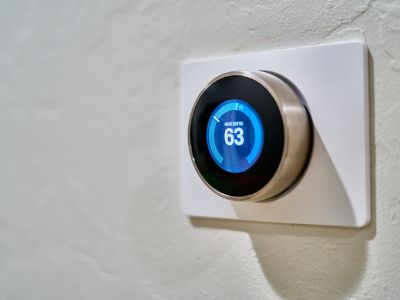
Programmable thermostat displaying a temperature of 63 degrees Fahrenheit, illustrating energy-efficient cooling solutions for homeowners.Invest in a Programmable Thermostat

Another way to keep the cooling costs low is to invest in an efficient and easy-to-use programmable thermostat. Unlike older thermostat models, a programmable thermostat allows homeowners to program their thermostat to adjust temperatures depending on the time of day and the estimated temperature in the home.

This keeps utility bills low, as the temperature does not fluctuate. When the temperature of a heating and cooling system changes frequently, this causes the system to overwork itself, leading to excessive energy usage. 

Smart programmable thermostats are convenient and great for homeowners interested in technology and saving money. With a smart thermostat, homeowners can receive updates on the house's temperature and change it or keep it steady through their phones.

Consistently Change the Air FiltersMan replacing air filter in ceiling air vent, emphasizing importance of regular maintenance for HVAC efficiency and comfort.

For an AC unit to reach peak efficiency, air filters must be frequently cleaned and replaced. Air filters do not last forever. They work to remove dirt and debris from the air. However, this debris gets trapped in the fibers of the air filter, collecting dust‌.

Dirty air filters can cause an AC system to stop working efficiently because it forces the system to blow air more frequently to cool a home. The debris blocks this airflow and can cause the electric bill to surge.

About Atlantic Heating & Air Conditioning

Guaranteeing peace of mind with a 24/7 service that produces tailored solutions, Atlantic Heating & Air Conditioning is ready to assist homeowners with their HVAC problems. Contact them today in the Boston, MA area for all cooling services!