When Is It Time To Buy a New AC?
Even in New England, air conditioners are a necessity. Although the average air conditioner lasts 15 years, many residents wonder if theirs can last longer with less use. Although delaying AC installation can help reduce wear and tear, air conditioners will need to be replaced regardless of how hard they work. AC installation is recommended if homeowners experience a few key signs of deterioration.
Fluctuating Temperatures
 If an HVAC system does not provide enough cool air to regulate a house's upstairs and downstairs, this is a key sign of dysfunction. Regardless of the month, a working AC should cool each room at an even temperature.
Clogs within the ventilation system may raise temperatures. Since air conditioning runs through the air filters before it reaches each room, clogs prevent cool air from circulating. If there is a large blockage due to dirty air filters, this eventually affects the motor fan and compressor. When the AC must work harder to produce the desired temperature, the system can completely shut off just when it's needed the most. Air conditioner installation can be difficult once the summer begins.
The compressor helps cool the evaporator coil inside the HVAC unit. If the evaporator coil cannot expel the hot air from indoors, the home will not cool. A broken compressor may be fixable, but a professional must assess the damage before any potential air conditioning repair job.
Low Energy Efficiency
If an air conditioner is not energy efficient, it must work harder to produce cool air indoors. Even air conditioners that are designed for efficiency can have problems if AC maintenance is neglected. Annual AC inspection allows homeowners to keep their energy bills to a minimum throughout the year, but air conditioner replacement is inevitable.
The average air conditioner begins to lose its efficiency after ten years. This can be delayed by changing the air filters every three months, but even regular maintenance will not keep the AC cost-effective forever. If all components are properly working, but the AC cycles last longer than ten or fifteen minutes, this is a sign that air conditioning replacement is needed.
Homeowners are advised to pay attention to their monthly energy bills and annual expenses. By focusing on each month individually, homeowners can tell if there is a spike or gradual increase due to a malfunctioning appliance. A new air conditioner installation may help.
Which Sounds Are Normal?
 An AC system is rarely silent. A light whooshing sound is normal while the AC runs because it indicates steady airflow. Soft humming noises are also to be expected, especially with older units. Other than those two sounds, a functional AC should never bang, shriek, or thump anywhere during the cycle.
The capacitor may be causing noticeable clicking sounds at the beginning of a cycle. When the capacitor malfunctions, this affects the blower motor. The clicking noises that happen as soon as the AC turns on are warning signs that the capacitor is beginning to fail. Once this sound is accompanied by a screeching noise, air conditioning replacement may be more cost-effective.
Hissing noises can be extremely startling to the household as they are not usually constant. When refrigerant cannot pass through the coiled tubing system, it usually escapes through small cracks. This is what causes the whistling sound. Once the crack enlarges, homeowners usually describe the noise as "gurgling." If this occurs, an HVAC technician is needed for repairs or air conditioning installation.
If homeowners notice a burning smell coming from the air conditioner, this is due to overheating. This is not normal and should be reported immediately to avoid potential danger.
About Atlantic Heating & Air Conditioning
Atlantic Heating & Air Conditioning specializes in air conditioning installation, maintenance, and repair services. Call Atlantic Heating & Air Conditioning today to learn how Boston, MA residents can receive 10% off air conditioning services.
)
Distribution Links +
- lifestyle.southernsportstoday.com
- lifestyle.thepodcastpark.com
- lifestyle.680thefan.com
- lifestyle.xtra1063.com
- lifestyle.953hlf.com
- lifestyle.rewind1019.com
- lifestyle.us983.com
- lifestyle.countrylegends1059.com
- lifestyle.967wshv.com
- lifestyle.1045thedan.com
- michigan.yournewsnet.com
- lifestyle.earl983.com
- lifestyle.maverick1023.com
- lifestyle.magic979wtrg.com
- lifestyle.1077lakefm.com
- lifestyle.kbew98country.com
- lifestyle.kccrradio.com
- lifestyle.capitalcityrock.com
- lifestyle.current943.com
- lifestyle.thedam.fm
- lifestyle.hotcountry931.com
- lifestyle.pierrecountry.com
- lifestyle.kotaradio.com
- lifestyle.q923radio.com
- lifestyle.kynt1450.com
- lifestyle.all80sz1063.com
- lifestyle.myeaglecountry.com
- newsnetmedia.com
- atlanta.newsnetmedia.com
- augusta.newsnetmedia.com
- austin.newsnetmedia.com
- boise.newsnetmedia.com
- buffalo.newsnetmedia.com
- columbia.newsnetmedia.com
- https://smb.kenbridgevictoriadispatch.com
- https://smb.leaderpub.com
- https://smb.luvernejournal.com
- https://smb.selmatimesjournal.com
- https://smb.thesnaponline.com
- https://smb.troymessenger.com
- https://smb.windsorweekly.com
- https://smb.clemmonscourier.net
- https://smb.gatescountyindex.com
- https://smb.harlandaily.com
- https://smb.irontontribune.com
- https://smb.ourdavie.com
- https://smb.state-journal.com
- https://smb.thecharlottegazette.com
- https://smb.thecoastlandtimes.com
- https://smb.theinteriorjournal.com
- https://smb.thetidewaternews.com
- https://smb.tryondailybulletin.com
- https://smb.winchestersun.com
- https://smb.farmvilleherald.com
- https://smb.salisburypost.com
- https://smb.shelbycountyreporter.com
- https://smb.smithfieldtimes.com
- https://smb.suffolknewsherald.com
- https://smb.thewashingtondailynews.com
- https://smb.thewetumpkaherald.com
- https://smb.cordeledispatch.com
- https://smb.lagrangenews.com
- https://smb.middlesboronews.com
- https://smb.roanoke-chowannewsherald.com
- https://smb.tallasseetribune.com
- https://smb.thepostsearchlight.com
- https://smb.valleytimes-news.com

 With rising energy prices and increasing environmental concerns, efficiency is at the forefront of most peoples' minds. When an
 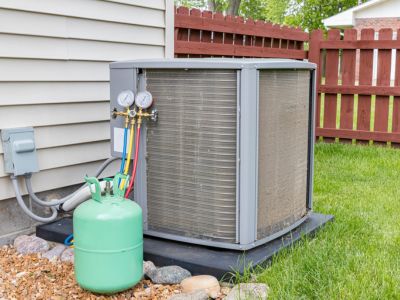 When the family tries to enjoy the cool indoors on a hot day, the worst thing that could happen is an AC problem requiring emergency repairs. Unfortunately, if spring AC maintenance is neglected, the chances of this happening are higher.
 )


 Born in New York in 1879, Willis Carrier would change the world before he was 30. He graduated from Cornell in 1901 with an engineering degree. Surprisingly enough, he struggled with fractions as a child. His mother taught him the importance of creative problem solving by slicing apples up to help Willis understand. Willis later said that the lesson was invaluable to him in his life and career.

)
)
)
)