What Homeowners Need to Understand About Humidity

humidity

Understanding Humidity and the Effects It Has on the Home

Keeping a home warm in the winter and cool in the summer takes more than just adjusting the thermostat. Every home behaves differently, so homeowners need to understand what makes their home less efficient and less comfortable. One of the biggest elements of indoor comfort is the humidity level, which is also one of the most misunderstood factors. 

When humidity levels are outside the comfort range, the home can be unlivable, and bills can skyrocket. Luckily, getting a grasp of how a home handles humidity is pretty easy, and there are easy ways to make corrections if the humidity levels are too high or low. Here is a quick guide from local experts to help get homeowners started. 

What’s the Deal with Humidity? 

Humidity is the level of water vapor in the air, which has huge implications for health and comfort. When air is too dry, it will sap moisture from the skin and lungs of people in the home, causing discomfort and health problems. When air is too laden with moisture, mold growth is encouraged, making the home unsafe, and the air will feel clammy and warm even with the air conditioner running. 

The ideal level for humidity in the home is between 40% and 60%. This range helps homeowners maximize comfort so they don’t have to run their AC equipment so hard to stay comfortable. However, the humidity can drop in the winter and soar in the summer, requiring homeowners to take action to get back in the right range. Two types of equipment are available to change the humidity levels in the air. 

Using Humidifiers 

Aprilaire whole-home humidifier installed in HVAC system, enhancing indoor air quality and regulating humidity levels for comfort and health.Humidifiers are important tools for homes that tend to be too dry. This is most commonly a problem in the winter, especially in homes that use wood-burning stoves or fossil-fuel furnaces for heat. However, low humidity can be a problem in the summer if the air conditioner is too small for a space. When skin feels dry, and wood furniture starts to crack, humidity is too low. 

Most people recognize a humidifier as a portable unit that adjusts moisture in a single room. While these do a great job on a small scale, adjusting the humidity in a home requires more serious interventions. Whole-home humidifiers are installed along with heating and cooling equipment and adjust the humidity automatically to keep the home comfortably humid all year long. 

Using Dehumidifiers 

Whole-home dehumidifier unit installed in a residential space, showcasing its ductwork and elevated platform for effective humidity control.Dehumidifiers are used in homes that suffer from excessive humidity. In a perfect world, the air conditioner would keep humidity levels low. However, with an oversized AC unit or a well-sealed home, humidity levels can climb high enough to be amended. When mold growth or odors are a problem in the home, air-conditioned air in the summer feels clammy, humidity is too high, and a dehumidifier is probably a good idea. Like humidifiers, whole-home dehumidifiers offer the best ease of use and comfort. 

About Atlantic Heating & Air Conditioning

Atlantic Heating & Air Conditioning is an industry leader in indoor air quality. Their teams can design the perfect HVAC system or find the right whole-home humidifier for every home. Call today for HVAC service in Boston, MA. 

Learning About Air Conditioning

The Basics of Air Conditioning

Air conditioning units are an important part of households, especially during the summer months when temperatures soar into the 90s and 100s throughout the country.

That said, homeowners should understand the basics regarding air conditioning units, including the different types and the signs of an air conditioning unit that starts to go bad.

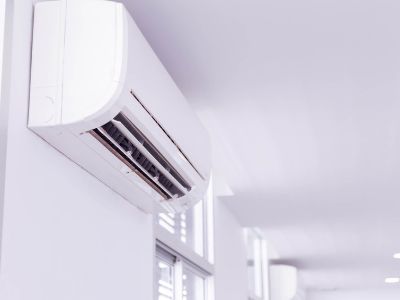
Ductless mini-split air conditioning unit mounted on a wall, showcasing modern HVAC technology for efficient cooling in homes.

Kinds of Air Conditioning Units

There are two main types of air conditioning units on the market: central air systems and ductless mini-split air conditioner systems. Both have their benefits, and the chosen type will depend on the specific house involved and the homeowner's preferences.

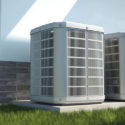
Central air systems are the most common type of air conditioning units, apart from window and portable AC units, which both have advantages and disadvantages. In terms of central air conditioning units, though, these units usually go hand in hand with furnaces. They come with an outdoor unit that works with ductwork to distribute cold air throughout the home, keeping the entire house at a consistently cool temperature, depending on the thermostat's setting.

On the other hand, ductless air conditioner systems, as their name suggests, are systems that do not require or rely on any ductwork. These units include two units: one indoor and one out. These units are connected through refrigerant tubing and electrical wiring. The inside unit is often wall-mounted and delivers cool or hot air into a living area. However, these units do not cover as wide of an area as central air units do, so homeowners may need to have several indoor units installed throughout their home.

Repair Signs of an Air ConditionerWoman looking shocked while reading a document, illustrating concerns related to air conditioning maintenance and repair signs.

There are a few signs that an air conditioner has started to go bad and should receive maintenance in the form of an air conditioner repair or an air conditioner replacement.

These signs include:

  • The air conditioner blowing out warm air instead of cold
  • The thermostat is no longer working
  • Little to no air is produced from vents
  • Strange and loud noises coming from the AC
  • Strange odors coming from the AC
  • Humidity is no longer being removed
  • Frequent problems with the AC unit
  • Higher than normal energy bills

Maintaining an Air Conditioner

Routine maintenance should be conducted by a professional quarterly or twice a year. The professional can check the AC unit and diagnose problems before they worsen. They can also do required tune-ups and thorough cleanings.

However, homeowners can maintain their AC unit in between the routine maintenance visits done by a professional. To maintain their own AC unit, it is recommended that homeowners change their air filter once every 3 months or more.

Replacing the air filter is easy enough and can be done within seconds. However, it's still recommended that a professional be brought in to check over the AC unit at least once a year, though twice a year is even better.

Bringing in a professional can save homeowners money in the long run by catching problems early on before they have a chance to become significantly worse and more costly.

About Atlantic Heating & Air Conditioning

Since 1962, Atlantic Heating & Air Conditioning have been committed to providing efficient services to their customers, both new and old. With professional technicians who listen to their customers, the professionals at Atlantic know exactly what they're doing and have their customer's best interests at heart. Call now for AC service!

All About Humidity and the Home

Take a Crash Course in Keeping a Home at the Perfect Humidity

When someone uses the word “humidity,” the listener may think of rainforests, hot and dripping with water, or they may think of the fact that high humidity can make a 90-degree day feel like the temperature is well over 100. While these images certainly resonate, humidity merely means the amount of moisture in the air. Having a range of somewhere between 30 and 50% humidity is the best for home air quality. 

Does the Amount of Moisture in the Air Matter?

Having too much or too little moisture has consequences for the day-to-day health of the individuals living in a home. 

Humidity Too High (Above 50%):

  • Mold, mildew, and other allergens feed off the moisture 
  • Dust mites thrive
  • Foul smells
  • Dampness causes problems with home structure

Humidity Too Low (Below 30%):

  • Dry sinuses
  • Nose bleeds
  • Difficulty breathing
  • Increased static electricity
  • Dry air causes furnishings to crack

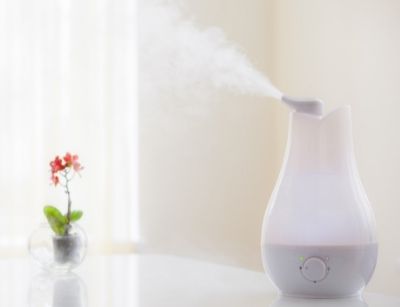
When to Use HumidifiersHumidifier emitting mist in a bright indoor setting, alongside a small potted plant, illustrating the importance of maintaining optimal humidity levels for home air quality.

Since the weather will soon be turning cooler and drier, this may be time to consider investing in a humidifier. This is a particularly good appliance to have if anyone in the household is among that vulnerable population with lung problems such as asthma, COPD, and emphysema. Dry air can be very hard on the delicate mucus membranes that line the interior of the nose, sinuses, and throat. Irritation, cracking, and bleeding can occur. 

Maintaining a home humidity above 30% will also help preserve wooden furniture and antiques that might crack in drier environments. It will also keep most people in the house more comfortable by helping to prevent dry skin and chapped lips. Don’t forget that static electricity buildup is worse in a low humidity area. 

When To Use DehumidifiersDehumidifier positioned near a window, designed to reduce moisture and improve indoor air quality in homes, particularly beneficial for damp areas like basements and bathrooms.

Dehumidifiers are useful when a house tends to retain moisture. If a homeowner has a basement or a partially underground home, a dehumidifier may be all but necessary. A dehumidifier is perfect for that musty back corner of the basement or that bathroom that always feels just a bit damp despite being used only rarely. Older homes, in particular, may be well served by a dehumidifier.

Reasons to get a dehumidifier:

  • Optimum Moisture: Remember that the perfect level of humidity in a home is below 50%. Certain areas of a home may tend to be damper, such as the bathroom or basement. 
  • Prevents Mold and Mildew: By removing moisture from the air, a dehumidifier produces an environment that is less than optimal for mold and mildew.
  • Prevents Unpleasant Smells: Musty smells in bathrooms and basements typically from a high level of moisture. A dehumidifier removes the moisture that promotes the microbes that create the smells.
  • Prevents Structural and Property Damage:  Dampness and the growth of microbes, mold, and mildew can damage not only the home itself but anything that one could store in the area, such as clothing or tools. 

About Atlantic Heating & Air Conditioning 

Call Atlantic Heating & Air Conditioning for all heating and cooling needs. They have been serving the Boston, MA area since 1962 and provide 24/7 service. With honest advice and reliable humidity service, homeowners can count on them to keep the home comfortable no matter the season. 

What You Need to Know About Heating & Air Conditioning System Leaks

Happy homeowner reaction

How to Deal With HVAC System Leaks

While many homeowners anticipate and work to avoid leaks from their home’s plumbing systems, few think about the same issues with their HVAC system. The reality, however, is that your HVAC system can have leaks and those leaks can be dangerous and damaging. Refrigerant, oil or grease, and water can all leak from an HVAC system.

To avoid some of the dangers that these leaks can present and the extensive damage that they can cause, it’s important to be aware of the causes and signs of HVAC leaks and to be proactive about addressing them. Here are some tips from local professionals to help you do just that.

Common Reasons for HVAC Leaks

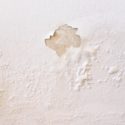
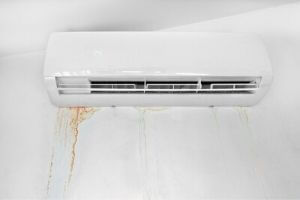
Leaking HVAC unit with water stains on the wall, indicating potential refrigerant or water leaks, relevant to HVAC maintenance and leak prevention.Perhaps the most common cause of HVAC leaks is a clogged drain line. When the drain line clogs, it can cause the drain pan to overflow. This leads to a leaking HVAC system and water damage. Dirt, rust, algae and other types of debris all can cause the line to clog. Additionally, a clogged air filter, low refrigerant, or a cracked drain pan can all lead to water leaks in your HVAC system.

Refrigerant is another substance that can leak from your unit. This type of leak is mostly due to erosion over time, as small holes develop in your unit as a result of natural wear and tear. Finally, issues with your unit’s compressor can lead to leaking oil.

How to Fix HVAC Leaks?

While a leaking HVAC unit might seem like a major issue, there are some easy things that you can do to fix these issues. If your unit is leaking water, you can start by simply replacing your air filter. This can be an easy way to address this issue. Additionally, inspecting and, if needed, replacing your drain pan is another easy fix that you can do on your own.

Technician inspecting and repairing HVAC unit in ceiling, addressing potential leaks and maintenance issues.

Finally, ensuring that your drain line is clear is a simple way to deal with a leaking HVAC unit. If your unit is leaking refrigerant or oil or if these fixes don’t solve the problem, it’s best to contact a professional to resolve the issue before it gets worse or leads to additional problems.

The Best Ways to Prevent HVAC Leaks

Hands holding a chalkboard displaying the word "prevention," emphasizing the importance of preventing HVAC leaks through regular maintenance and inspections.The best way to prevent HVAC leaks is with regular HVAC maintenance. By having your system cleaned and inspected twice a year, you’ll ensure that your drain line stays clear, that your unit is not leaking refrigerant, and that all parts of your system are clean and working properly.

Staying on top of this maintenance can help to prevent the substantial water damage that can come from an HVAC leak as well as the dangers that can come from leaking refrigerant.

If you have not had your HVAC unit inspected recently, it’s a good idea to schedule an inspection to avoid the stress, damage, and expense that comes from an HVAC leak.

About Atlantic Heating & Air Conditioning

Atlantic Heating & Air Conditioning provides quality HVAC services to Brookline, MA. With a tradition of quality service and loyal customers, their team is available 24/7 to meet all of your HVAC needs.