We Can Help You Save This Month

Energy Saving Strategies for your HVAC System

One: Change Heating and Cooling Equipment Air Filters Once a Month

Boston, MA Energy Efficiency Our customers want to know how to save money with their Boston home heating and cooling equipment, and we always suggest changing air filters at least once a month.

To avoid forgetting changing the filters in your Boston heating system, make a note of the chore on a calendar. When our customers buy filters, they should buy a pack of the items to have the devices ready when needed. In most cases, it also costs less to buy multiple filters at one time.

Two: Verify that a Building’s Heating and Cooling Vents are Open

It is easy to close a room’s cooling and heating vents when pushing a vacuum cleaner or rearranging furniture. If one room in a building feels cold and another room feels hot, then it is time to check the heating and cooling vents to confirm the items are open.

Also, make sure that vents are not covered with rugs, furniture or appliances that prevent proper airflow.

Three: Keep the Thermostat at the Same Temperature

Instead of adjusting the thermostat on an air conditioner or furnace constantly, choose a comfortable temperature and leave it alone. Changing the thermostat several times a day causes a furnace and air conditioner to turn on and off frequently, making it difficult to keep a building at the proper temperature. With this tip, our customers will have heating and cooling bills that remain nearly the same each month.

Four: Make Sure That a Building’s Crevices and Holes are filled with Caulking

When our customers report there are cold drafts in a building, it is often because there are holes around the utility lines or crevices around windows.

Fill these openings with liquid caulking to reduce the loss of climate-controlled air. If adding caulking does not help, then consider adding insulation to a building or installing new triple-pane windows.

Five: Replace Old Air Conditioners and Furnaces with New Models

Older furnaces and air conditioners are less energy efficient, and if our customers have huge heating or cooling bills each month, then it is time to consider replacing the devices with new models.

Today, the companies that manufacture furnaces and air conditioners are required to meet federal energy efficiency standards, leading to big savings for our customers.

To learn more about new air conditioners and furnaces in Boston, MA, call us at Atlantic Heating & Air today at (617) 566-6990.

 

Find Out the Revolution of Your Home Heating System

The History and Revolution of Home Heating Systems

The history and evolution of home heating systems dates back to the Romans. Underfloor heating systems were used to heat the spaces of castles and public baths back in the 1600s.

Boston, MA History-of-the-AC-and-Heating-SystemModern heating systems are more efficient than ever before. The most popular type of heating system today is radiant heating. Many Boston homeowners report that their home is warmer since the heat warms all objects in the room.

Types of Heating Systems

The three most common types of heating systems include heat pumps, boilers and forced-air furnaces. Heat pumps can heat your Boston home in the winter and cool it during the summer months.

Boilers are a popular source of heat for many people. Forced-air furnaces are the most common type of heating system in older homes. New homes often have radiant heating installed underneath the floor during construction.

Why Radiant Heating is Popular

Radiant heating works by transferring hot water from underneath the floor and into your home. It is important to choose the right materials that surround underfloor tubing.

The materials used will determine how quickly your home heats up. The most common materials found surrounding tubing includes wood, aluminum and concrete.

Wood is not a material that conducts heat well. The fact that it is unable to store heat makes this choice unpopular. Aluminum is an excellent conductor of heat because it heats up quickly.

It also responds to changing room temperatures rapidly. Concrete is often used because of its heat retaining ability but it releases it very slowly. You must take into consideration that aluminum does deliver heat at higher temperatures but also costs more money in energy.

Maintaining Your Heating System

Maintaining a forced-air central heating system includes regular inspections from a professional. Change the filters once a month and stay on top of repairs.

Radiant floor maintenance includes yearly inspections from a professional to ensure the pressure is at a consistent level. A system that operates with low pressure will cost more money in energy.

Leaky pipes need to be replaced promptly. The fact that the system is underneath your floor requires a professional for assistance. Valves and pumps also need to be inspected on a regular basis.

Boiler maintenance also includes yearly service checks. Leaks and cracks are expensive to repair. A boiler also needs to be used on a regular basis to prevent problems. A service contract with a professional will save you money.

Interested in taking a closer look at your Boston, MA HVAC system? Call Atlantic Heating & Air Conditioning, today at (617) 566-6990 today.

Tips For Room To Room Temperature Consistency

How to Keep the Temperature Consistent

Keeping a consistent temperature from room to room can be a challenge. Even though temperatures can vary from room to room, there are ways to keep a consistent temperature throughout a Boston home.

However, it can be difficult because many factors can affect the temperature in each room. Every room is different. The various rooms have different sizes, different locations, different purposes, and different needs.

Boston, MA ventilation_servicesTips For Room To Room Temperature Consistency

For people who want to keep a consistent temperature from room to room, there are various tips that they can use to help regulate the temperature throughout the home. These tips include:

1. Adjusting the dampers in the furnace ducts.

2. Installing an automatic zone control system.

3. Keeping the doors in each room open so air can flow throughout the home.

4. Sealing duct leaks.

Room Temperatures Are Challenging

Every home has a least one room that tends to be hotter or colder than the other rooms in the home. The reasons for the difference in temperature can vary from home to home.

However, individual rooms tend to have different temperatures. One of the main reasons why is room location,. A room on the side of the home where the sun is located will tend to naturally be warmer than a room on the side of the home.

Circumstances such as room location can make it a challenge to manage room temperatures. Considerable thought must go into determining the reasons for the difference in room temperatures and what can be done to make the temperatures more consistent.

Home Design

When homes are designed, keeping a consistent temperature from room to room is usually not a consideration. It is an assumption that one home will basically have one primary temperature throughout the home.

The actuality of the situation is usually way different than the thought process. In actuality, every room is unique, and this uniqueness has a lot to do with the various temperatures from room to room.

Even though most Boston homes do not have a consistent temperature from room to room, there are ways to try to make the temperatures consistent. It will time and some effort to find the solution that will provide a consistent temperature from room to room, but it can be done.

With the help of an expert from Atlantic Heating & Air Conditioning, you can find out how to keep the temperature consistent in your Boston, MA home. Just call (617) 566-6990 today!

Get Insight on the Major Pollutants in Your Home

5 Sources of Major Pollutants

Considering how much time the average person spends inside, it's sad that more people don't take air quality seriously. There are a host of common air pollutants that can seriously impact the health of both apartment renters and Boston homeowners. Here's a quick rundown of the most prevalent sources of contaminants that will degrade indoor air quality.

Boston, MA Air-Quality-ServicesBiological Contaminants

Mold and pollen are the two biggest biological threats to indoor air quality. Mold can be potentially deadly if it isn't addressed quickly. Water damage is the typical culprit.

When it arises, yanking out insulation and drywall is often the only solution. Pollen issues arise when outside air is allowed to seep into the living space.

Outdated Building Materials

When it comes to the safety of construction materials, hindsight is always 20/20. Asbestos and lead-based paints are great examples.

Even if they're hidden behind drywall and plaster, those substances can affect indoor air quality in a big way. The good news is that testing for things like asbestos and lead is pretty easy and fairly cheap.

HVAC Filters and Ducting

Every house has ducts, registers and filters that determine how clean the indoor air will be. As such, cleaning air pathways and replacing certain elements is just common sense. If you think that your indoor air quality is suffering due to HVAC issues, have a certified professional inspect and repair the infrastructure.

Volatile Organic Compounds

Otherwise known as VOCs, volatile organic compounds come in many forms and can be released by all manner of materials ranging from wood to carpeting. Paints and varnishes in particular are notorious for releasing VOCs in spades. The negative effects of VOCs are hard to predict and depend on the health of each individual concerned.

Noxious Cleaning Products

Cleaning staples like bleach or ammonia can irritate the skin and throats of particularly sensitive individuals. Furniture polishes are another category of cleaners that often exacerbate allergies and negatively impact the health of residents in a variety of housing situations. Fortunately, there are many organic cleaners based on non-toxic chemicals that can be used instead.

Knowing Is Half the Battle

Obviously, there are other serious air pollutants out there besides the ones specified here. The point is that awareness of air quality threats in your Boston home goes a long way. Do a little research here and there so that you're not caught unprepared when irritants rear their ugly heads.

Stop ruining the air quality in your Boston, MA home. Call Atlantic Heating & Air Conditioning today at (617) 566-6990 to get further insight and assistance on this issue.

Find Out What Radiant Heating Can Do For You!

Benefits of Radiant Heating

How Does Radiant Heating Differ from other Systems?

Many of our heating company’s customers want to know how radiant heating is different from the heat provided by furnaces that are located in basements or utility closets.

Boston, MA Radiant Heating ServicesRadiant heat circulates naturally through the air without the use of blowers or venting systems. This heat is meant to warm objects and people rather than heating the air. There are several types of radiant heating devices that are used in buildings, including:
• Ceiling panels – usually installed when a structure is built

• Wall systems – typically placed near baseboards

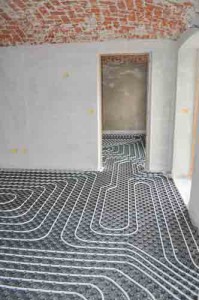
• Under-the-floor systems – often installed before a structure is built

Under-the-floor or wall-style radiant heating systems are known for providing healthy humidity levels inside buildings. There are also outdoor radiant heating systems that are used on patios at homes and commercial establishments such as restaurants.

What is Radiant Heating?

In many countries radiant heating systems are the most common type used, especially in older buildings where it is impossible to install venting systems that use ductwork.

In the United States and Canada, radiant heating is powered by electricity, but other countries may use the heat from hot water inside metal pipes to warm floorboards instead.

For Boston homeowners who cannot afford to have our technicians’ tear down a building to install ductwork, we recommend radiant heating systems that are fast to install.

Baseboard radiant heating devices are simple to install, but we can also determine if wall panel or ceiling radiant heaters are safe for a customer’s home or business.

What are the Benefits of Radiant Heating?

There are great reasons for our customers to have radiant heating to heat an entire building or augment cold spots. In addition, some of our customers keep a portable radiant heater available for emergencies such as a breakdown of a whole-house natural gas or electric furnace.

Portable radiant heaters are available in small sizes designed to warm a tiny room or huge sizes designed to heat an entire Boston home.

It is possible to buy a portable radiant heater at many stores to bring home immediately. The controls on these portable heaters are simple to use.

Alternatively, our technicians can install permanent radiant heaters in a building to provide warmth where there are no furnaces. The best way to determine the type of radiant heating system a building requires is by contacting us for an evaluation of a building.

Find out more about radiant heating and it's benefits for your Boston, MA home this season. Call Atlantic Heating & Air Conditioning at (617) 566-6990 today.