3 Things You Should Know About Summer Solstice

3 Things You Should Know About Summer Solstice

The summer solstice is going to be happening in just a few weeks, but many people do not realize the meaning or origins of this event. The summer solstice has been celebrated for thousands of years. It is commonly referred to as "the longest day of the year," but this is not all that happens during the summer solstice.

What is the Summer Solstice?

According to astronomy, a solstice happens when the tilt of a planet is most inclined towards the star it rotates around. This means that the summer solstice occurs when the Northern Hemisphere is pointed as far towards the sun as possible during its yearly rotation. In the summer solstice, the Northern hemisphere experiences the most hours of daylight during the year, and summer officially starts.


Why do we have longer days in summer?

During the time around the summer solstice, the days are very long. This happens because the northern half of the Earth has tilted towards the sun, so it spends more time in the sunshine each day. Meanwhile, the farther half of the Earth has tilted away from the sun. Meaning that in certain places, like Australia, they will experience darker days and cooler weather during the summer solstice. However, if you travel far enough north during the summer solstice, the sun will appear to travel around the horizon instead of setting each night because the days are so long.

Where does the name "Solstice" come from?

The name, "solstice," comes from the Latin language. It is a combination of "sol," which means sun," and "sisto," which means "I stand still." Therefore, the basic phrase used to refer to the longest day of the year means "the sun stands still." A solstice was called this by the ancient Romans because the day was so long that it seemed like the sun was practically standing still in the sky for most of the day.

Enjoy the long summer days in Boston, MA without worrying about your HVAC system. Call Atlantic Heating & Air Conditioning today at (617) 566-6990 to learn more about how we can meet your summer needs.

How to Maintain Your Home During Warm Weather

Home Maintenance Checklist for Warm Weather

As the warm weather approaches, you’ll start to see more people outside, and you might have come up with a list of fun activities to enjoy. During this time, most homeowners are saying goodbye to winter and looking forward to what summer has to bring.

It’s a great time to make a home maintenance checklist for warm weather. You can take advantage of the warm weather to complete a variety of maintenance tasks. You can start with the exterior and work your way through the interior. After these areas are covered, it’s time to move outdoors and take care of the outdoor jobs.

Exterior Maintenance

your-home-insulationAlthough it’s always a good idea to walk around and assess your home after a long winter, you don’t have to wait for a storm to occur to do it.

Winter can be quite tough on chimneys and roofing, so these are top areas to inspect.

You can start with the roof, and if you don’t want to climb onto it, you can use a pair of binoculars for inspection. It’s important to check for shifting or missing shingles.

It’s not uncommon for nails to pop out of their spot, so you’ll want to check for those.

To keep your roof in tip-top condition, all problems need to be corrected. Next, the chimney should be inspected. The joints that are between stones and bricks should be checked. Get rid of any vegetation and check for white calcium deposits.

During the exterior inspection, it’s important to check foundations, exterior walls and windows.

Check for water stains on the exterior walls, which could indicate malfunctioning gutters. Examine your home’s foundation and check for masonry cracks. Windows need to be inspected for leakage because they’ll allow warm summer air to enter your home while allowing cool air to escape.

The weather stripping and caulking should be intact. The best defense that your home has against water and air is a tight seal. You’ll want to make sure the windows are cleaned thoroughly.

Moving on to Interior Maintenance

General cleaning is an important part of home maintenance for warm weather. It’s a great time to clean the areas of your home that are normally neglected. For example, you might focus on cleaning window casings, wall-mounted cabinets and vacuum chair rails.

The air conditioning system should be checked and serviced. If the AC isn’t working properly, then it won’t be able to keep your home cool enough. The AC filter should be changed, and the hose connections should be inspected for leaks.

The drain pans should be draining freely, and dust should be vacuumed off of electrical connectors. The good news is that we can handle all of your air conditioner maintenance needs. We can inspect the entire system and diagnose any potential problems.

If we discover any issues, we can fix them for you.

Check Home Insulation

Many homeowners don’t realize the importance of home insulation. Without adequate insulation, your home could be leaking massive amounts of conditioned air. During the months of summer, you must pay money to keep your home cool.

If the insulation is not working correctly, or you don’t have enough insulation, these are problems that will raise your electricity bill. Adequate insulation is what keeps the cool air inside of your home and prevents it from leaking outside. There should be insulation in several areas of your home, and it’s important for every area to be inspected for efficiency.

Fortunately, we can check your home’s insulation and make sure it’s adequate. When your home is packed with plenty of insulation, your air conditioner won’t have to work as hard, so you can save money and enjoy a cool, comfortable home.

Maintaining Proper Yard Growth

mow-your-lawnAn important aspect of home maintenance is yard growth. You’ll want to rake the lawn and get rid of leaves, debris and branches, which might be left over from fall.

The problem with leaving debris on the lawn is that they can kill the grass under them.\

The chemical changes and soil compaction associated with winter can raise the pH level of your soil. When the pH level is higher, it can leave your lawn much more vulnerable to weeds.

You should consider using an organic herbicide to prevent weeds from germinating, even if you can’t see them yet. It’s also a good time to make sure the faucets, sprinkler systems, and pipes are working correctly.

Testing and Lubricating the Garage Door

There is a good chance that you’ll be using your garage a lot more during summer. Once the warm weather arrives, it’s a very good time to test your garage door and make sure it’s working properly.

Garage-door-maintenanceIf it’s excessively noisy and doesn’t seem to be performing optimally, it might need some additional lubrication.
When the garage door is working properly, it’s much easier to enjoy the warmer weather, and you’ll also have a much easier time parking your car inside of the garage.

Service the HVAC System

Another part of the home maintenance checklist to cross off involves the HVAC system. As HVAC professionals, we can attest to the fact that prevention is better than a cure. A typical HVAC system has hundreds of different components, and without proper maintenance, these components can fail.

Nobody wants to deal with a malfunctioning air conditioner when it’s hot outside. It’s a good idea to start with the air filter. We can inspect your system and let you know if the filter needs to be changed.

The outdoor portion of the system should be inspected, and the refrigerant level might require an adjustment. Leaves and dirt must be cleaned from the cabinet. The cooling coils and cabinet interior should be inspected.

The list of HVAC maintenance tasks is nearly endless, so it’s best to let the professionals inspect and service your system. By following this home maintenance checklist, you’ll be ready to take on the warm weather and enjoy living in your home.

For top-notch HVAC maintenance services in your Boston, MA home, call Atlantic Heating & Air Conditioning at (617) 566-6990.

Avoid These Five Common A/C Problems Before Summer Starts

How old is your air conditioning unit? Is it under warranty? The cruel months of summer are just around the corner. If you haven't been thinking about your air conditioning unit since last summer, then you might face a few issues once the summer months heat up.

Sometimes air conditioning units break down, even if they have shown no issues in previous years. With regular maintenance, you can typically keep a high-efficiency air conditioning unit for decades. These tips should help you troubleshoot and understand your A/C issues.

install-ceiling-fansA/C Not Working

If you have ever come home to a house burning up from lack of air conditioning, you know the panic.

You immediately go to the thermostat only to find that it has been turned off, or maybe the thermostat is fine, but it's just not blowing any air. There are a number of reasons that can cause an A/C unit to malfunction.

You can also check the circuit breaker and test the condenser unit to make sure that it is set up to run correctly. If you see any debris in your unit, then you may need to turn off the power and clean out the debris before starting your A/C unit once more.

If your A/C has stopped working, it's best to check the thermostat first and see if it's set correctly. However, if it is configured correctly, but you still aren't receiving any air, then you should check the condenser unit outside.

If the fan isn't moving even though you have set the temperature down low, then you might need to call a repair technician to take a look.

Blowing Hot or Mild Air

When you want air conditioning, you actually want cold air. That's the whole point! However, if an A/C unit can't adequately cool your space, then it's usually a problem with the airflow. The first place to start looking is the indoor air conditioning unit and air filters.

If you have dirty filters, it may be working too hard to force air through. If everything looks good inside, then it's time to check the outside. A high-efficiency air conditioner should not have issues with fans breaking. However, if you have an older unit, you may find a broken fan or even frozen blades.

Too Loud

cleaning-the-outdoor-ac-unit-Sometimes A/C units can become clogged with debris or sound like they are spinning too fast. If your air conditioner is making a strange noise every time it starts up or turns off, then you may need to check with a technician. Strange noises can be a sign of trouble for any air conditioning unit.

A/C Bill is Too High

How much do you pay for your A/C? It's a question that can keep a homeowner up at night when the bills are due.

Air conditioners that are old or out of warranty may need maintenance, and usually, these units will continue to cost a lot of money for them to continue to run. If you service your system prior to summer, you will likely have a lower bill overall.

Thermostat is Broken

You may need to replace the batteries in your thermostat if you find that it isn't working properly. In addition, the placement of a thermostat is also a determining factor in how long your air conditioning unit runs.

If you change the location of the thermostat, you can improve the overall efficiency of the AC by only forcing it to run when it's necessary to cool your home.

If you still have an older model, you may end up paying too much for running an air conditioning unit that doesn't work with your thermostat any longer. You can also find cheaper, newer thermostats on Amazon that are programmable. A cheaper thermostat will help you cut down on AC costs throughout the day.

Reducing Energy Costs with A High-Efficiency Air Conditioner

enjoying-an-outdoor-viewNew air conditioners that have high-efficiency ratings are going to lower costs on your utility bills. Typically these high-efficiency air conditioning units will have an Energy Star rating.

Energy Star ratings also mean that they have a SEER efficiency level of 14 or more. SEER Ratings represent the potential effectiveness of a system, as long as it exists within certain conditions. Your system's efficiency may be different depending on the correct equipment sizing for your home.

Proper installation is also important to remember when looking at various air conditioner units.

For quality A/C repair and installation, please contact Atlantic Heating & Air Conditioning in Boston, MA at (617) 566-6990 to get help installing your unit before summer heats up!

Take On the Challenge and Save Some Money this Month

Weather Stripping Challenge to Lower Your AC Bills

Most homeowners would gladly take the opportunity to cut down on their overall energy costs. Your air conditioner is arguably the largest energy consumer in our homes. About thirty percent of the total energy budget for your home goes towards heating and cooling.

Weather Stripping

Weather stripping is a process of sealing openings such as windows and doors. The first aim of weather-stripping is to completely prevent water, including rain water, from entering our houses. The second objective of weather-stripping is to keep the interior air inside and the exterior air outside, saving us the energy costs of air conditioning and heating.

Boston, MA weather-stripping-1Some Realtors also use weather-stripping to increase the interior comfort and also to reduce the penetration of sounds, which significantly reduces the level of noise on the inside of buildings.

Sealing the gaps around windows, attic access points, and doors and can enable you to make your home significantly warmer and save you on energy costs. With the various types of weather-stripping available and lining shelves at your local hardware store, ensuring you choose the right one for a specific job can prove a daunting task.

To assist you, we have broken down common options by profile and material so that you have a better idea on what to install to ensure you keep your home warm.

The first step towards a successful weather-stripping is to identify all possible air leaks in your home including the unseen pathways and holes in your plumbing, air conditioners, and general wiring, especially for an extensive weather-stripping of your house.

Window Weatherstripping

For window weather-stripping, there are several different ways of approach dependent on the type of window. Double–hung and casement are the two most common window types in our houses. You can use weather-stripping on your window to seal all sides. On sashes and window tops, use metal caps to redirect rainwater. You could also apply foam weather-stripping to the sashes and sides.

Weather-stripping the Double-hung Window

For the double-hung window, you will require both the V-channel weather-stripping and the self-adhesive foam insulation. For a successful weather-stripping of the double-hung window, we outline below the simple steps to take.

Clean the bottom of the window sash using water and soap then leave to dry while you cut to length the weather-stripping foam. After peeling the back of the foam, press the adhesive side of your foam against the bottom of the sash, forming a tight bond. Clean out the jamb using water and soap and cut two pieces of V-channel that are at least an inch longer than the sash while allowing the frame to dry completely.

Peel the back of your V-channel and work this peeled V-channel between the frame and the sash then firmly press the V-channel into the frame. To ensure the weather-stripping is firm, drive a finish nail into the jamb through the weather-stripping to secure the weather-stripping to the jamb.

Use soap and water to clean out the back of the bottom sash and let it completely dry off while cutting a piece of V-channel that matches the width of the sash. Raise the sash about three to four inches, peel the back from the V-channel and press this firmly into the back of the sash. The V should now open facing upwards to ensure the weather-stripping compresses when you close the window.

Weather-stripping the Casement Window

For the casement window, you will require the self-adhesive foam insulation only. For a successful weather-stripping of the casement window, we outline below the simple steps to take.

Open your window, then clean the outside of the stops using water and soap. Cut enough self-adhesive foam to fit the bottom, top and sides of the stops while allowing the stops to dry completely. Peel the back from every piece of self-adhesive foam you had cut, you then press these pieces into the outside of the stops.

Door Weather-stripping

You should weather-strip every exterior door, especially doors to rooms that have no insulation such as the attic. The materials to use for a successful weather-stripping of doors include a swipe or J-hook to match your door to the threshold, weatherstripping, and thresholds.

Pre-weather stripped doors mainly used in private homes are usually fiberglass or of a similar material and arrive from the manufacturers weather-stripped. A kerf in the door stop enables the placement of vinyl strip, foam, or rubber on the inside, for a closed door to rest.

Pre-weather stripped doors also have the threshold already nailed to the frame by the manufacturers. The threshold is usually a piece of molded plastic. The installation of the pre-weather stripped door is usually simple and requires little skill.

Boston, MA weather-stripping-2Compared to the pre-weather stripped doors, custom weather-stripping doors requires much more time and specialized skills. Expert weather-strippers will initially install a threshold, and then cut the door to install a J-hook at the bottom of the door.
And finally they will nail spring-steel bronze through the doorjamb sealing the gap. For thermal comfort door weather-stripping is critical plus it helps to reduce the overall consumption of any building and to reduce the air leakages to a minimum, doors must meet a high airtight standard.

Conclusion

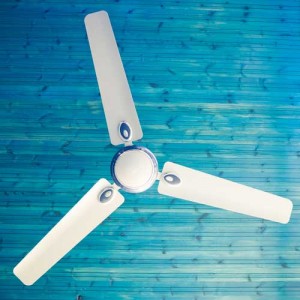
Another inexpensive tip towards minimizing your energy cost is the use of the lesser energy consuming overhead fans, which also get air circulating; this means you may be able to delay the turning on of your air conditioning system, especially when you can leave your window open on the summer evenings that are cool.

The installation of overhead fans is best done by professionals and air conditioning and heating companies are the best option for the job.

Employ the services of professional air conditioning experts to inspect and confirm that your system is leak-free and will operating as efficiently as possible. Remember to clean air filters of your air conditioning unit because some units require monthly cleaning.

In case you are unable to weatherstrip your windows and doors successfully, and when you have any problems with your air conditioning system please contact Atlantic Heating & Air Conditioning in Boston, MA at (617) 566-6990 for free advice and professional servicing if necessary.

5 Indications That Your Home's Thermostat is Malfunctioning

5 Ways To Tell If Your Home's Thermostat Is Malfunctioning

What’s Up With The Thermostat?

No one likes to have a thermostat that malfunctions, especially since it’s the very thing that helps to control the central air. Whether your goal is to make the home get warmer or cooler, you still want your thermostat to work when you turn it on.

There are many things that might go wrong with the thermostat that it’s impossible to mention every incident that can occur, but it’s best to check out the thermostat if you think it’s not functioning properly.

A Boston professional is able to get a thermostat working properly again if it is malfunctioning, but you also need to look for the signs that tell you if there is a problem with the thermostat.

Boston, MA thermostat-repairThermostat Warning Signs

The same way a car might start smoking, making noise or showing signs on the dashboard when there’s a problem is similar to how a thermostat will alert you to problems that it’s experiencing.

Even though you should never wait till the thermostat gets to a point where it’s no longer functioning before you realize there’s a problem, sometimes, it takes the thermostat breaking down before you realize there was a problem in the first place.

There are a few warning signs that will let you know that you may need thermostat repair and have a malfunctioning thermostat.

#1 A blank display is present, but the central air works

#2 The temperature on the thermostat is unbelievable

#3 The battery sign is up and won't go away

#4 The thermostat settings are changing themselves without programming

#5 Flashing display on the thermostat

#1 A Blank Display on the Screen

Those who have a thermostat that shows a display of the temperature as well as other settings should always see the display lit with all the information that is supposed to be on the display. It’s possible that the display may completely go blank but still allows the central air to work.

In certain cases, the thermostat may simply be very dim, which makes it hard to see anything on the display. Although there tends to be a few occurrences that cause a blanked out thermostat display, one of the biggest problems is with the battery or a lack of power. Some thermostats will only use batteries to gain their power, but other thermostats use both a battery and electricity. Thermostats that run on batteries only can easily dim when the battery starts to go dead, and a replacement battery will be needed to get the display to show brightly again.

If the display is completely blank, then the battery may have died, the electricity might be out, or the thermostat has other problems. If you’re not certain what’s causing the blank display, then it is time to consider getting a professional that can fix the thermostat asap.

#2 The temperature on the display doesn't match that of the room.

Have you ever walked over to your thermostat to check the room temperature and just couldn’t believe what you were reading? Maybe it felt like it was 60° in the room, but the thermostat was reading 80° or even 90°.

It’s possible for the thermostat to have a reading that is off the charts or unbelievable, which means the thermostat is malfunctioning in some way. You should always check to see if sunlight is hitting the thermostat or any other heat source is close to it because this can make the thermostat give off a temperature reading that is wrong.

Thermostats have to be in a proper location to get the right room temperature, but if the thermostat’s been in the same location as always and is still giving off a bad reading, then a low battery or other malfunctions may be present in the thermostat, so professional help would be a good idea to fix the problem.

#3 The battery sign will not go away.

Whenever a battery sign shows up on an electronic device, that means the battery is running low, and the sign will not go away unless the battery is changed. If you see a battery sign on your thermostat, then change the battery quickly because many have lost power to the central air if the thermostat doesn’t have a proper battery, especially if it’s run solely by the battery.

It’s even possible that the readings on the thermostat will be incorrect because the battery is low, so always keep the battery fresh, and don’t wait for the thermostat to go dead before you change the battery.

 Boston, MA thermostat-repair-2#4 The thermostat is creating its own settings.
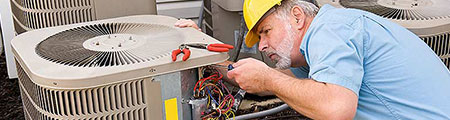
Some people have experienced a thermostat that will actually change the temperature settings on its own, even if it was never programmed.

Some are even having this problem with a thermostat that is not programmable, and even though it’s a very rare problem, it’s been mentioned by several people online and is somewhat of a phenomenon.

The temperature may be set to a low or high temperature, and the thermostat will reset itself to another temperature, which may end up keeping the central air on for hours as opposed to cutting it off when it’s supposed to.

In a case like this, there is a serious problem with the thermostat, and swapping out the thermostat may be the only solution.

You should allow a Boston area professional to analyze the thermostat to see if maybe the problem can be corrected without having to buy a new thermostat.

#5 The display is flashing.

A programmable thermostat can start flashing a code on the display of the thermostat when there is a problem with the unit, and the indoor unit may keep running while the outdoor unit has an issue that it’s trying to alert you about, via the thermostat. A flashing thermostat display can be a serious problem, so call an HVAC professional immediately.

Is Thermostat Repair a Possibility?

Thermostat repair is possible, so don’t assume you automatically have to buy a brand-new thermostat. As long as you get a professional repair person to fix the programmable thermostat or any other thermostat you may have, then you may be able to get the thermostat working again.

Don’t delay, fix your thermostat by calling Atlantic Heating & Air Conditioning in Boston, MA at (617) 566-6990.