Boston is another one of those cities in the New England area that gets the full brunt of the seasons. So now we’re edging out of spring and moving into the warmer, sunnier days of summer, and that means one thing; it’s going to get hot and humid.
Thanks to modern technology, this isn’t something that’s such a big deal for homes with air conditioning.
But if you have an integrated, centralized AC system built into your home, there are probably a few things you should do before you get your hardware to start putting in the work for the next few months.
Inspect & Clean the Condenser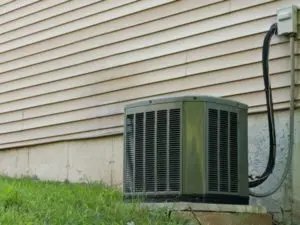
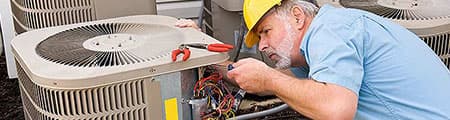
Central AC has a condenser, which is that large unit with the fan that sits just outside your home.
The function of this piece of hardware is to draw in air from outdoors, cool it, and then pump that into your home to be circulated around.
This means that the hardware is designed to permit the easy flow of air, and that means there are a lot of spaces in the equipment that can allow foreign matter inside.
If you have trees or other plants on your property, the leaves from the vegetation can accumulate inside your condenser, and that can affect the efficiency.
Clean this out in time for the heavy summer usage.
Replace Your Filter or Clean It
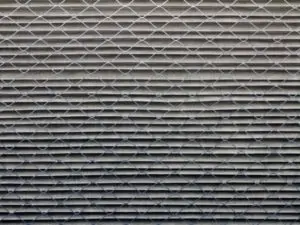 In modern heating and cooling systems, the furnace and air conditioner often share the same filter.
This means that it should be regularly replaced throughout the year.
Every seasonal change, in other words, four times a year, every three months, is about the right replacement schedule.
It’s important to do this, because the filter both protects residents against contaminants and keeps the operational efficiency of the AC up, meaning lower bills.
You can either use disposable filters that you replace on schedule or a buy a more expensive permanent filter that needs to be periodically cleaned out.
Get the Most from Your Thermostat
If you have an older thermostat, you may want to consider upgrading to a modern one.
Older thermostats may not be as accurate in measuring the temperature in your home, resulting in you paying more than you should on your energy bills.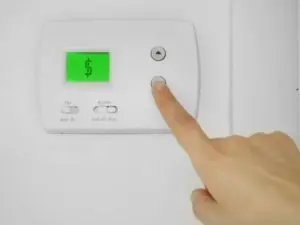
But if you do have a modern thermostat, are you using it efficiently?
New thermostats don’t just turn on and stay on to maintain one fixed temperature.
They can be programmed to power down the AC if the house is empty during the day and doesn’t need to be cooled.
Then they can automatically start cooling the home at the time that residents start arriving and needing the comfort.
This is a much more efficient use of your energy.
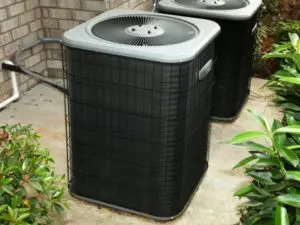 Also, take some time to clean out debris from the interior of the unit.
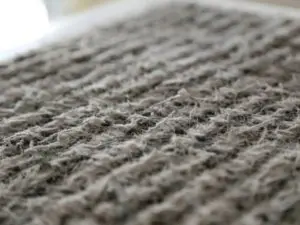 Every month check out your HVAC filter. If it’s still in good condition, wipe it down with a damp sponge to remove debris.
 As the move to warmer temperatures is near, planting trees around your home will cool it naturally, and cut costs and wear and tear on your air conditioning unit.
 have a gas fireplace, however, the damper must always stay open.
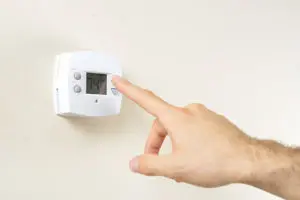 Adjust Your Thermostat to Lower/Higher Depending on Weather
 Spring is just about here, and that means it’s finally time to come out of hibernation after a long winter, brush off the dust (and snow), and get ready for the warmer weather. But humans aren't the only ones who come back to life in spring, and this season always marks the beginning of allergy season as well.
 There are a couple of ways that pets can make allergies worse. For one, pet dander, saliva, and urine are all allergens for people who react to dogs and cats. This is made worse in the spring and summer when dogs and cats start to molt to get rid of their winter coats.
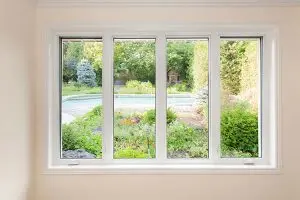 When the snow has fully melted, and the daytime temperatures begin to rise, that’s the time to take action against allergies. The best way to keep your home allergen-free is to prevent pollen and spores from getting in, and there are a number of ways you can do this.
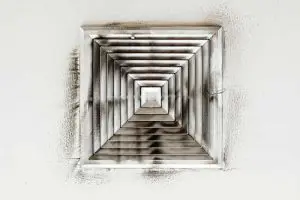 Schedule a Duct Cleaning Appointment